 Language
 简体中文
简体中文
- On the 2018 National Day holiday, Lifet completed six 100 ton large tonnage lifting belts as a gift
- The role of suspension net in the transportation of goods turnover
- Cargo soft lifting net, lifting net, lifting net, lifting net, bag, climbing net
- Precautions for using Lifutiden elevator
- How to make circular lifting straps
Contact: Wang Lili
E-mail:18066002268
Phone:702461526@qq.com
Address: Lifute Industrial Park, Taizhou City, Jiangsu Province
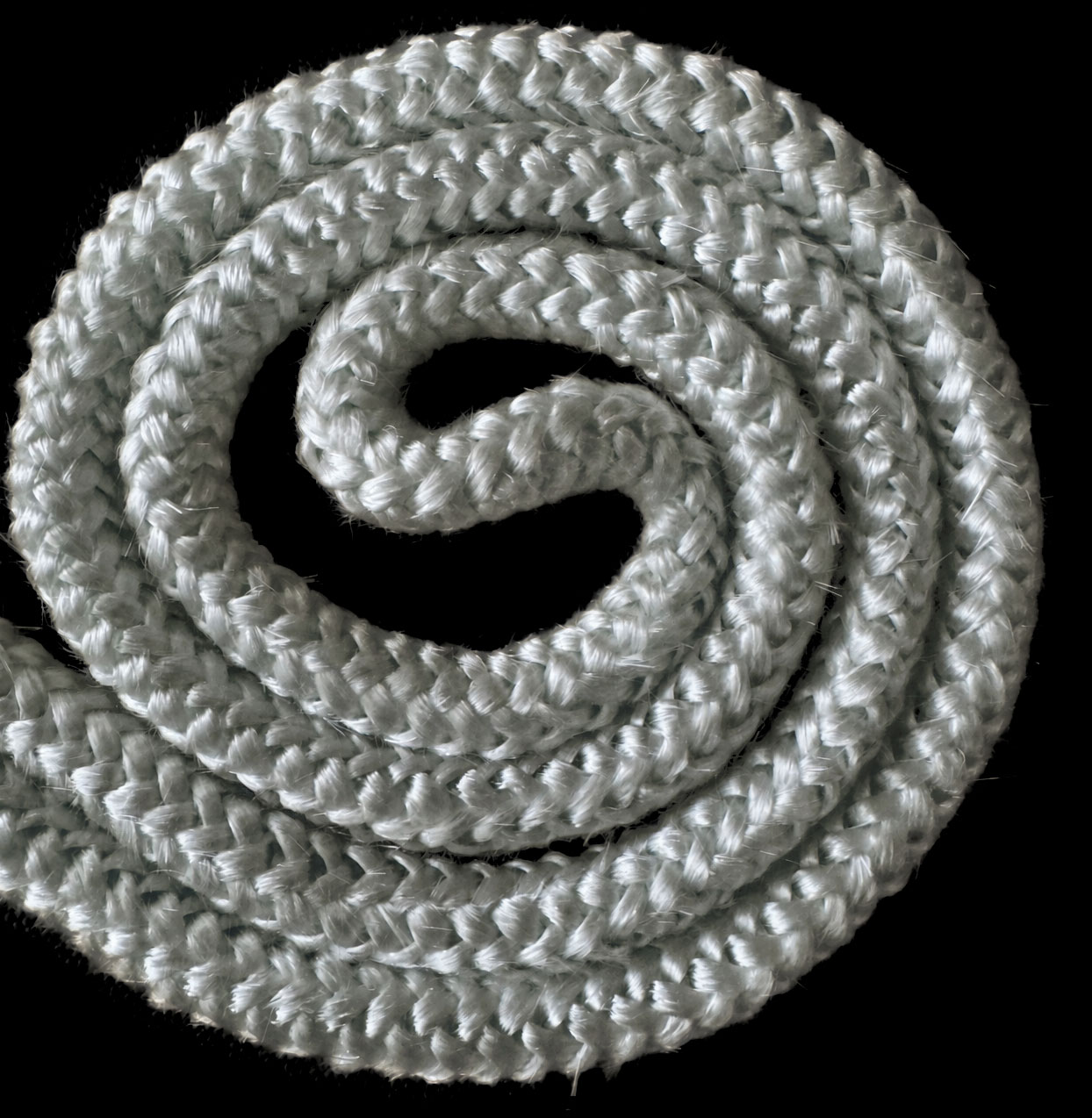
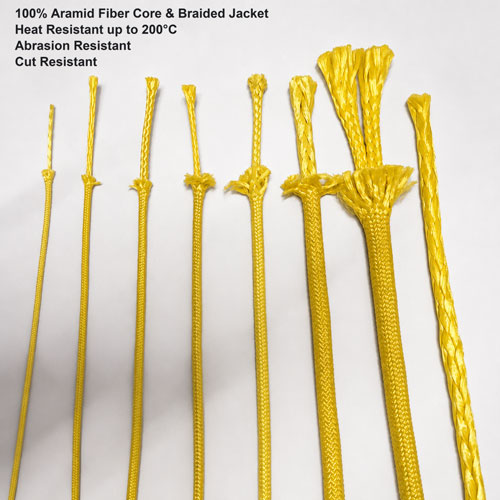
Lift Sling Rigging Co., Ltd manufacture High Temperature Resistant Rope,Heat resistant safety rope,High Temperature Braided Rope,High Strength Heat Resistant rope,High temperature cord.High temperature resistant rope for 300C to 1260C duties - glass fibre, ceramic fibre or aramid. Bands, figures and order parameters explained. Enquire.
Hits: ℃
Release time:2026-09-27 09:25
High Temperature Resistant Rope — the Temperature Bands, and Which Article Belongs in Each
Lift Sling Rigging Co., Ltd manufactures the High Temperature Resistant Rope, and the line that came with this product names five articles in one sentence: High Temperature Resistant Rope, heat resistant safety rope, high temperature braided rope, high strength heat resistant rope and high temperature cord. Four of the five put a claim and a word beside it; one of them puts a heat claim beside a life-safety word, which is a different kind of sentence altogether. And not one of the five carries a temperature.
So this page is about temperature rather than about a word. It takes the five names apart and says what each one forces onto the order (Section 1). It shows why a single temperature cannot be quoted at all, because four different numbers stand behind a hot duty and they are not interchangeable (Section 2). It then sets the temperature bands in order, from below 100 °C to the 1260 °C classification temperature of ceramic fibre, and names the article in this catalogue that belongs in each band, with a link to it (Section 3). It separates the second claim in the name — high strength — from the heat claim, because strength for weight and strength for diameter are two different questions (Section 4). It gives the published fibre-level data band by band, labelled as fibre data rather than as figures for any rope this factory has made (Section 5), and the twelve parameters an order defines, each with the column that says whether a buyer can check the figure on the coil that arrives (Section 6). It follows the heat into the four places where it actually destroys an article (Section 7), and it sets this page against the other heat resistant rope page in this catalogue, which carries almost the same words, and says which of the two answers which question (Section 10).

1. Five Names on One Line, and What Each One Forces Onto the Order
Read the five names as five questions a buyer might arrive with, rather than as five descriptions of one object. Each of them carries a claim of a different kind, and each of them leaves something out that the order will have to supply.
| The name on the line | What kind of claim it carries | What it forces onto the order |
|---|---|---|
| High Temperature Resistant Rope | A heat claim with no figure in it | The temperature, the duration, and whether the figure being quoted is a continuous service temperature or a peak. Without those three, the name states an intention rather than a specification (Section 2) |
| Heat resistant safety rope | A heat claim joined to a life-safety word | Which of the two the buyer actually needs. A heat resistant rope and a life-safety rope are judged by different documents and different load cases, and the second half of this section deals with that directly |
| High temperature braided rope | A construction word added to a heat claim | Which braid, and whether the cover carries any load. On a glass fibre article the braid is what decides whether the rope can be packed into a gland, tied round a door or pulled through a route (Section 5) |
| High strength heat resistant rope | Two claims joined by a conjunction, and they are independent | Which strength: per unit of weight or per unit of diameter, at what splice efficiency, dry or wet, and measured against which alternative. High strength is a comparison with no second term until those are named (Section 4) |
| High temperature cord | A size word rather than a material word | Where the line between a cord and a rope is drawn for this order, because the two are packed, sealed and priced differently, and the same fibre is sold as both |
Why "heat resistant safety rope" is not used as a name on this page
One of the five names joins a heat claim to the word safety, and that is worth stopping on because the two are decided by different things. Heat resistance is a material property: it is measured at a temperature for a time and it is a statement about a specimen. A life-safety rope is a class of article: it is judged by the load cases that belong to that class, by the documents the class is specified against, and by the marking and traceability that go with them. A rope can be excellent at the first and have no claim at all on the second.
This factory makes both kinds of article, and they are argued on pages of their own so that the two judgements do not get mixed: the Life Safety Rope page carries the category word and the parameter table that belongs to it, the emergency escape lifeline and fire escape rope page takes the escape duty, the fire rescue rope and firefighting rope pages take the two working duties, and fire safety rope, static safety rope and dynamic safety rope takes the three trade names. Where an order needs a heat resistant rope to be made to a life-safety class, the class and the document are named on the order and the testing is named with them; until then, this page describes a material and not a class.
2. What "High Temperature" Has To Be Completed With: Four Different Numbers
A temperature on its own cannot be quoted for a high temperature resistant rope, and the reason is that four different figures are all called a temperature in this trade. They answer four different questions, they are quoted by different people, and a quotation that gives one of them while the customer is asking about another is a quotation that will be settled by an argument after delivery.
| The number | What it means | Who normally quotes it | What it does not tell you |
|---|---|---|---|
| Continuous service temperature | The temperature the article is expected to work at for its service life without losing the properties it was bought for | The supplier of the article, and it belongs to the construction as well as to the fibre | Nothing about a short excursion above it, and nothing about what is left after the article has been there for a season (Section 8) |
| Peak temperature | A short excursion above the continuous figure, which means nothing at all unless a duration is attached to it | The supplier, and it should be given as a temperature with a time | Nothing about repeated excursions. Ten minutes once is not the same article as ten minutes a week for a year |
| Classification temperature | A short-term rating used for refractory sealing and packing materials, which describes brief exposure rather than service | The material maker, and it is a property of the fibre rather than of the rope | Nothing about working temperature. Ceramic fibre is classified at 1260 °C and its continuous service is recommended in the region of 950 °C to 1000 °C, and that gap is deliberate (Section 3) |
| The temperature at which the fibre gives up | The melting point where the material has one, and the decomposition or sintering range where it does not | The fibre maker, in fibre-level data | Nothing at all about the rope. It is the figure furthest from a working figure, and it is the one most often repeated in catalogues because it is the largest |
The practical consequence is short: an enquiry for a high temperature resistant rope that names a temperature and a duration, and says whether it is continuous or a peak, can be answered with a specification. An enquiry that names a temperature alone can only be answered with a question, and that exchange is the subject of Section 9.
3. The Temperature Bands, and the Article That Belongs in Each
This is the core of the page for a high temperature resistant rope. The bands below run from the temperatures at which ordinary lifting articles are comfortable to the short-term classification band of refractory sealing materials, and each band names the article in this catalogue that belongs in it. Two rules come out of the table and they are worth stating before it: the load-bearing question is decided before the temperature question, because only one of the materials here holds a load and survives heat; and the top two bands are sealing materials, not ropes that get handled and pulled.
| The band | What is happening in that band | The article in this catalogue for it | What the order has to add |
|---|---|---|---|
| Up to 100 °C | Every ordinary lifting polymer is comfortable. This is the band the lifting sling and nylon rope ranges are bought for | Nylon, polyester and polypropylene ropes and slings; ultra-high molecular weight polyethylene where strength for weight matters, as on the UHMWPE round sling | Nothing about heat. The ordinary parameters — working load limit, colour code, length — are the whole order |
| 100 °C to 165 °C | Ultra-high molecular weight polyethylene leaves the band: its properties fall away from about 100 °C and its melting range is in the region of 130 °C to 150 °C. Polypropylene is approaching its melting point at about 165 °C. Nylon and polyester still work, with a reduced service life | Nylon and polyester ropes and slings. This is the top of the range for the polypropylene articles, not the bottom of the heat range | Material, and the continuous temperature the article is expected to see [确认] |
| 165 °C to 260 °C | Polypropylene and ultra-high molecular weight polyethylene are out. The ordinary polymers are leaving at the top of the band, because nylon 6,6 melts in the region of 255 °C to 265 °C and polyester in the region of 260 °C to 280 °C. Meta-aramid holds the band, and steel wire is in it too, on de-rated figures | Aramid rope in the meta-aramid grade [确认]; wire rope sling, where the wire rope suppliers' guidance requires the minimum breaking force to be de-rated above about 90 °C and further as the temperature rises | The grade of aramid, or the de-rating that applies to the wire, and the duration the article is hot for |
| 260 °C to 300 °C | This is a coating band rather than a fibre band. The glass itself is untouched — it does not melt until well above 1200 °C — but a coated or sized glass product is limited by the coating, commonly to a few hundred degrees | Flame retardant fibre rope and the glass fibre rope range, on the figure that belongs to the coating supplied [确认] | The coating, and the temperature that belongs to that coating rather than to glass |
| 300 °C to 500 °C | The untreated glass fibre band. Para-aramid is leaving it at the top, because its published decomposition range in air begins in the region of 427 °C; aramid chars rather than melting, and it keeps useful strength for a while, but it is no longer the figure the order should be written on | Untreated heat resistant glass fibre rope, glass fibre square rope and ceramic fibre rope for the top of the band | The temperature with its duration, and what the article has to retain afterwards — the figure only a test can settle (Section 6) |
| 500 °C to 600 °C | This is the band in which this catalogue names a figure: E-glass is published at a continuous service temperature in the region of 550 °C with peaks up to about 600 °C to 700 °C, and the product line names 600 °C glass fibre rope | The 600 °C glass fibre rope, and the high temperature resistant rope page for the same subject argued from the word rather than from the number | Which 600 it is: a continuous figure or a peak, and for how long. This is the single most useful question on the whole page |
| 600 °C to 950 °C | E-glass is past its mechanical usefulness in this band, although the glass itself will not melt until the region of 1225 °C to 1360 °C — which is exactly why the melting figure is not the one to quote. Aluminosilicate ceramic fibre carries the band | Ceramic fibre rope and ceramic fibre square rope | The difference between the classification figure and the continuous figure, and confirmation that nothing is being lifted by the article |
| 950 °C to 1260 °C | The refractory band. Ceramic fibre is classified at 1260 °C, which is a short-term rating used for sealing and packing, with continuous service recommended in the region of 950 °C to 1000 °C. No handling, no load, and the most brittle material in the catalogue | Ceramic fibre rope, ceramic fibre square rope and ceramic fibre tape | Section, density, mass per metre, and which of the two temperatures the order means |
Read down the third column and the pattern a high temperature resistant rope buyer needs is clear: up to about 200 °C the choice is between cheap polymers and the deciding figure is a continuous service temperature; from about 260 °C to 600 °C it is a fibre choice between aramid and glass, and the deciding question is whether a load has to be held; and above 600 °C it stops being a rope choice and becomes a sealing-material choice, where the article survives a temperature and carries nothing. Where a duty needs both heat and load at the top of the fibre range, the two honest answers in this catalogue are the aramid articles and wire.
4. "High Strength" Beside "Heat Resistant": What the Second Claim Adds
One of the five names carries two claims joined by a conjunction, and the two are independent. High strength is a comparison with no second term attached to it until three things are named: what is being compared, on what basis, and measured how. The table below takes the five questions that hide behind the phrase and says what decides each one — and the last two rows are the ones that matter on a heat duty, because a strength figure taken cold is not a strength figure for a high temperature resistant rope.
| The question behind "high strength" | What is being measured | What decides the answer |
|---|---|---|
| Strength for its weight | Tenacity: load carried per unit of mass | The high-performance fibres lead by a wide margin, and the synthetic fibres lead steel. Published fibre-supplier material puts ultra-high molecular weight polyethylene at roughly 15 to 40 times the strength of steel weight for weight. It is the question that matters when a person carries the rope |
| Strength for its diameter | Absolute load carried in a given space, which is what a sheave, a gland or a drum cares about | Steel leads, and it leads by more than most buyers expect, because a fibre rope is built from many fine filaments with space between them and steel is nearly solid. A fibre wins on weight and loses on diameter, and the two claims are frequently quoted as if they were one |
| What survives the terminations | Splice and knot efficiency: the share of the rope's strength that reaches the load | The splice keeps the rope's own fibre doing the work and leaves a section that can be inspected. A knot costs a substantial share of the strength and puts a bend radius inside a stiff fibre, which is the worst place to put one in aramid. On a heat duty a ferrule or a fitting introduces a third material with its own temperature limit |
| What is left when it is wet | Mass, length and strength at a stated moisture content | Aramid takes up moisture, in the region of 7 percent of its mass as shipped, which is an order of magnitude more than polyester. A rope cut to length dry is not that length wet, and a rope sold by mass is not that mass wet either |
| What is left after the heat | Retained strength: the percentage of the original figure that survives a stated temperature for a stated time | This is the only one of the five that belongs to a heat duty, and it is established by test alone. Glass and ceramic fibres lose strength at temperatures at which they still hold their shape, so a strength figure quoted cold overstates a hot article by whatever the exposure has taken — and the honest form of the claim is a percentage with a temperature and a time attached (Section 8) |
5. The Fibre-Level Data, Band by Band
Every figure in the table below is a published property of the fibres a high temperature resistant rope is made from, as the fibre maker states it. Not one of them is a figure for a high temperature resistant rope this factory has made, and the distinction is the whole reason the table carries a column for the band rather than a single temperature column. A rope is a construction, not a fibre: the cover, the braid, the splice, the fitting and the exposure time all sit between the fibre and the article, and every figure that belongs to the finished article is lower or narrower than the fibre's.
| Material | Melting, decomposition or classification | Continuous service, as published | Does it carry a load? |
|---|---|---|---|
| Polypropylene | Melts in the region of 160 °C to 170 °C | Below its melting point, with the service life falling as the temperature rises | Yes, and a good lifting material on a cold duty. The first material to rule out where heat is involved |
| Ultra-high molecular weight polyethylene | Melting range quoted in the region of 130 °C to 150 °C depending on the grade | Properties begin to fall away from about 100 °C, well below the melting range | Yes, and the strongest material here for its weight. It is a strength-for-weight fibre, not a heat fibre |
| Nylon and polyester | Nylon 6,6 in the region of 255 °C to 265 °C; polyester in the region of 260 °C to 280 °C. Published ranges differ between sources | Comfortable to well below the melting range; the ordinary lifting band | Yes. The right answer on every duty that does not involve heat |
| Meta-aramid | Does not melt; it chars and self-extinguishes | Fibre-maker literature quotes continuous operation in the region of 200 °C, with maximum continuous figures up to about 254 °C cited [确认] | Yes. The band between the ordinary polymers and para-aramid |
| Para-aramid | No melting point. Decomposition in the region of 427 °C to 482 °C in air, and about 538 °C in nitrogen | Keeps useful strength at temperatures at which the ordinary polymers have already failed, and it ages with time as well as with temperature | Yes. The only fibre in this table that both carries a load and survives a heat duty |
| E-glass fibre | The glass melts in the region of 1225 °C to 1360 °C, which is the least useful figure in this table | Continuous service in the region of 550 °C, with peaks quoted up to about 600 °C to 700 °C. A coated or sized product is limited by the coating, commonly to a few hundred degrees [确认] | No. Brittle, abrasive to handle, and not built to be the load-bearing element of a lifting system |
| Aluminosilicate (ceramic) fibre | Classification temperature 1260 °C, a short-term rating for sealing and packing | Continuous service recommended in the region of 950 °C to 1000 °C [确认] | No, and least of all of the materials here. A sealing and insulation material |
| Steel wire | Melts far above this range, and its stiffness is nearly unchanged across the bands above | Wire rope suppliers' guidance requires the minimum breaking force to be de-rated for operating temperatures above about 90 °C (200 °F), and a one-hour exposure at 200 °C is documented to reduce the wires' bending strength [确认] | Yes, and it is the reference for strength per unit of diameter. The least forgiving article here, and the honest answer where heat and load are both extreme |
Two consequences follow from reading the table that way round. The first is that the temperature column describes a material, so it can be used to rule materials out and cannot be used to write a specification for an article. The second is that two of the eight materials here carry a load and survive a heat duty: para-aramid, and steel. Everything else in the table is either a cold-duty lifting material or a hot-duty sealing material, and a buyer who knows which of those two he is buying can be quoted the same day.
6. Technical Parameters: the Figures an Order Defines, and Which Can Be Checked on Delivery
Twelve parameters for a high temperature resistant rope, and for each one the column that decides whether a quotation can be checked at all: whether the buyer can verify the figure on the coil that arrives, or whether it can only be settled by a test. The rows carry a little more weight on this page than on a general product page, because the figure a high temperature resistant rope is bought for — what is left after the heat — is in the right-hand column and cannot be seen at the receiving bay.
| Parameter | Unit | How the figure is established | Checkable on a delivered coil, or only by test |
|---|---|---|---|
| Duty, and whether the article is a cord or a rope for this order | none | Named in the words a fitter would use — sealing, lagging, packing, insulation, handling line — together with where the size line is drawn, because the two are packed and priced differently | The duty is checked against the order. It is the row that decides which of the bands in Section 3 the enquiry belongs to |
| Fibre, and the grade where the grade decides it | none | Named: E-glass, aluminosilicate ceramic fibre, meta-aramid or para-aramid. The grade matters wherever the answer to Section 4 depends on it [确认] | On a delivered coil, from the label and the documents. What is actually inside can only be confirmed by taking a sample apart |
| Continuous service temperature, the peak temperature and the peak duration | °C, and minutes or hours for the peak | Named as two figures rather than one, because a peak without a duration is not a figure. Where the material carries a classification temperature, that figure is named as well and named as what it is | Only by test, for the part of it that is a claim about retained properties. The figure itself is checked against the order and against the fibre maker's data sheet |
| Construction, and the number of strands | none | Named: round braid or square braid; twisted; how many strands; whether a cover or a sleeve is fitted; whether the cover carries any load [确认] | On a delivered coil, by eye and by hand. It is the parameter that decides whether the rope packs into a gland, ties round a door or is pulled through a route |
| Section or diameter, with its tolerance band | mm | Measured at more than one point under a stated tension, because a rope that is not under tension is not round. Stated as a band, because a rope is built to a construction rather than turned to a size [确认] | On a delivered coil, but only against the same tension. Without a band, a rope that is right and one that is wrong cannot be told apart |
| Mass per metre | grams per metre | Weighed on a known length at a stated moisture content, not calculated from the diameter [确认] | On a delivered coil, with a scale and a tape, and it is the cheapest check there is |
| Length, and length tolerance | metres, percent | Measured under a stated tension and at a stated moisture content, and stated as a band [确认] | On a delivered coil, and it is the second cheapest check after the mass |
| Change in length at the stated temperature | percent | Measured on a sample held at the stated temperature for the stated time, not assumed from the fibre's coefficients | Only by test. It is the figure that puts a seal out of reach of its gland after a season in service |
| Strength retained after the stated exposure | percent of the original | Measured by holding a sample at a stated temperature for a stated time and testing it afterwards | Only by test, and it is the row a heat resistant rope is really bought for. A temperature without a duration, or a duration without a temperature, is not the figure |
| Air temperature or contact temperature | °C | Named as one or the other, because a rope hanging in air at 300 °C and a rope lying on a steel surface at 300 °C are not the same problem (Section 7) | Only by test, on the arrangement the duty actually describes. A test in air does not answer a contact duty |
| Ends, finishes and their own temperature limits | none | Named end by end: squared and sealed, whipped, spliced, sleeve fitted, ferrule, thimble. A fitting introduces a third material, and its limit is usually not the fibre's [确认] | On a delivered coil, visibly. On a hot article the ends are where the load concentrates and the heat arrives together |
| Marking, and what travels with the coil | none | Named: what is printed on the rope or on the tag, and which documents accompany the delivery | On a delivered coil, visibly. An article that cannot be traced to a batch cannot be retired on evidence, and a heat-duty article is retired on its history rather than on its appearance |
Half of those figures can be checked by whoever opens the crate, and half cannot. The half that cannot is the half a high temperature resistant rope is bought for. That is not a reason to avoid the material; it is the reason the order has to name a temperature with a duration rather than a single figure.
7. Where the Heat Actually Reaches the Article: Cover, Splice, Fitting and Stitching
A temperature quoted for an article is normally a temperature for the fibre, and heat destroys an article at the places where a second material has been introduced. There are five of them on a high temperature resistant rope, and four are places a buyer rarely names on an order. The table below is the one to read before the temperature is fixed, because it usually decides which of the two figures — the fibre's or the assembly's — the article can actually be sold against.
| Where the heat arrives | Why it happens there first | What the order has to say about it |
|---|---|---|
| The cover, the sleeve or the coating | It is the outermost part of the article, and on a coated or sized glass product it is not glass at all but a polymer, which is why a coated glass rope is limited to a few hundred degrees while the glass underneath is untouched. On an aramid rope the cover is the part chosen to take the wear and the light so that the expensive core does not | The material of the cover or the coating, named separately from the core, and a temperature figure that belongs to that material [确认] |
| The splice or the eye | The section is doubled and the load concentrates there, so there is more material to soak heat and less surface to shed it. A spliced eye also puts a large bend radius into a stiff fibre, which is where an aramid article is least comfortable | Which end, and the finish. A splice keeps the rope's own fibre doing the work and carries no third material; a knot costs a substantial share of the strength and should not be used on a stiff fibre |
| The fitting, ferrule or thimble | It is usually metal, it conducts heat straight into the rope along the contact, and its own limit is rarely the same as the fibre's. It is also the one part of the assembly that a buyer can see and the one part whose specification normally comes from a different supplier | The fitting named with its own temperature figure, and confirmation of which material in the assembly sets the limit for the whole article [确认] |
| The stitching on a sling or a belt | Thread is finer than the webbing it joins, so it has far more surface per unit of mass and reaches temperature sooner; and the stitch is where the whole load transfers from one part of the sling to the other | The thread named separately from the webbing, and the temperature the assembly is rated at rather than the figure that belongs to the webbing alone [确认] |
| The contact surface, where the rope lies on a hot object | Conduction is not the same problem as convection. A rope in air at 300 °C and a rope lying across a steel surface at 300 °C are two different duties, and the second one puts the hottest point of the article at the point where the load is already highest | Whether the duty is air or contact, and whether a sleeve or a protective wrap is to be fitted at the known contact point. This is the question that most often changes the article rather than the figure |
8. Duration, Ageing and What Is Left Afterwards
The single most useful thing a buyer can add to any of the five names on this page is time. Heat acts on an article as a process rather than as an event: a rope held for a long time below the temperature that would visibly damage it still ages, and the loss accumulates. This is why a heat-duty article is retired against its history rather than against its appearance, and why the honest form of every claim below names a temperature, a duration and the share of strength retained.
The materials behave differently as the time goes up. Glass and ceramic fibres hold their shape at temperatures at which they have already lost a large share of their strength, so an article that looks untouched can be past its useful life; they also shed fibre and irritate the skin, which is a handling matter rather than a heat claim. Para-aramid chars and decomposes rather than melting, and it keeps useful strength at temperatures at which the ordinary polymers have already failed, while still ageing with time. Meta-aramid controls the rate at which degradation progresses rather than eliminating heat exposure, which is what its published continuous figures mean. Steel holds its stiffness across the bands, and its strength is what has to be de-rated as the temperature rises, which is the opposite of the fibre problem. And the ordinary polymers do not age at these temperatures so much as leave them: the melting ranges in Section 5 are where they stop being lifting articles at all.
| The claim as it is usually written | Why it cannot be checked | The version that holds |
|---|---|---|
| Heat resistant to 300 °C | A bare temperature: no duration, no statement of whether it is continuous or a peak, and no statement of what the article still does afterwards | Continuous service to 300 °C, retaining X percent of its original strength after Y hours at that temperature, measured on a sample of this construction [确认] |
| Withstands 1260 °C | It is a classification temperature being used as a working figure. Ceramic fibre is classified at 1260 °C for short-term exposure and continuously recommended in the region of 950 °C to 1000 °C | Classification temperature 1260 °C, with continuous service in the region of 950 °C to 1000 °C, and the article is a sealing material and not load-bearing |
| High strength heat resistant rope | Two independent claims with neither of them completed: no basis for the strength and no figure for the heat | Tenacity and the construction it belongs to, the splice efficiency of the ends ordered, and the retained strength after the stated exposure — because a strength figure taken cold does not describe a hot article |
| Heat resistant safety rope | A material claim joined to a class claim. Heat resistance is measured at a temperature for a time; a life-safety class is judged by the load cases and documents that belong to it, and the two are not the same judgement | The heat figure for the material, and separately the class and the document the article is to be made and tested against, where the duty is a life-safety duty at all |
A buyer who needs a sentence from the right-hand column for a tender document can have it printed on the delivery paperwork, which satisfies a reviewer and can be checked. That is the practical use of this page: the sentence high temperature resistant does not have to be abandoned, it has to be completed.
9. What the Order Has to Say Before a Figure Can Be Quoted
The same list as Section 6, written the way a high temperature resistant rope order is actually written. Anything already decided can be sent as it stands; anything not decided can be sent as a question, and this catalogue will say which of the bands in Section 3 the answer belongs to.
| The item | What the order has to say |
|---|---|
| Duty | What the article is for, in words a fitter would use: sealing, lagging, packing, insulation, handling line, and whether it is a cord or a rope for this order |
| Fibre | E-glass, aluminosilicate ceramic fibre, meta-aramid or para-aramid — and a brand only where the order names one |
| Temperature, duration and which of the figures it is | The temperature, how long the article is exposed for, and whether the figure is a continuous service temperature or a peak. Where a classification temperature applies, say so and say that it is the classification figure |
| Air or contact | Whether the rope is in a hot atmosphere or lying against a hot surface, and where that surface is in relation to the load |
| Construction | Round braid, square braid, twisted, with or without a cover or a sleeve, and the number of strands where it matters |
| Section or diameter, with its band | The figure and the tolerance, because a rope is built to a construction rather than turned to a size |
| Mass per metre and length | The figures, or the request that they be stated on the delivery documents, with the tension the length is measured under |
| What has to be retained | What the article has to still do afterwards: hold a load, keep a section, keep a length, keep a seal |
| Ends and fittings | Named end by end, with the temperature figure for any metal fitting named as well |
| Marking and documents | What has to be printed on the article or the tag, and which documents have to travel with the coil |
10. The Other Heat Resistant Rope Page in This Catalogue, and How the Two Divide the Words
This is a point a buyer of a high temperature resistant rope does not care about and a search engine does, so it is stated here rather than left to be discovered. This catalogue carries a second page under almost the same head term: high temperature resistant rope, high temperature resistant fiber rope, fire-resistant and high temperature resistant rope. Two pages of one site competing for one phrase is a page that neither of them wins, so the two are divided by the question each of them answers.
| The page | The question it answers | Where a buyer should be sent |
|---|---|---|
| This page — High Temperature Resistant Rope | Which article belongs in which temperature band, what the four different temperature figures mean, what is left after the exposure, and the parameters an order defines. It covers the whole range rather than one construction | Any enquiry that begins with a duty: a temperature, a duration, a hot surface or a seal to keep |
| The other heat resistant rope page | The same family of words from the product-listing side, where the article is one construction rather than the whole band table | A buyer who already knows which construction he wants and is looking for the article rather than for the band |
| 600 °C glass fibre rope | The single article in this catalogue that carries a temperature in its name, and what that figure covers | A buyer who has arrived with 600 °C already in his requirement |
| Fire Resistant Rope | The words rather than the numbers: what fire resistant, fire retardant, flame retardant, high heat resistant and fireproof can and cannot mean, and which document decides each of them | A buyer whose requirement is about a flame rather than about a temperature |
A buyer who lands on the wrong one of the four still leaves with the right link, which is the point of writing the division down on the page instead of only in a plan.
11. Which Part of This Subject Is Argued Where
This factory argues heat, fire and life-safety articles across several pages, and each of them takes a different part of the question. The list below is the map.
- This page — the temperature: the four figures behind a high temperature resistant rope duty, the bands from below 100 °C to 1260 °C, the article that belongs in each, the difference between strength for weight and strength for diameter, and the parameters an order defines.
- Fire Resistant Rope — the words: what the five claims on such a product line can and cannot mean, and which document decides each of them.
- 600 °C glass fibre rope — the one article here that carries a temperature in its name, and what that figure covers.
- High temperature resistant rope — the same words from the listing side, divided from this page in Section 10.
- The glass fibre rope range — the round braided and heat resistant ropes, the square rope, the insulated sealing square rope, the flame retardant fibre rope and the fire resistant filling rope.
- The ceramic fibre articles — ceramic fibre rope, ceramic fibre square rope and ceramic fibre tape — for the refractory band.
- Kevlar aramid rope — the material page: what para-aramid is, what the trade name does and does not name, and what the fibre figures do and do not cover.
- The aramid slings and the fireproof lifting belt — high temperature aramid webbing lifting sling, flame resistant aramid webbing sling belt, aramid round sling and fireproof lifting belt — where the article carries a working load limit as well as a temperature, and where the stitching is a named part of the specification (Section 7).
- The duty pages — Life Safety Rope, emergency escape lifeline and fire escape rope, fire rescue rope, firefighting rope and fire safety rope, static and dynamic safety rope — where the article is judged as a class rather than as a material, which is the distinction made in the second half of Section 1.
- Wire rope sling — the article that solves heat and load at once, with the de-rating that goes with it.
- The ordinary-temperature ranges — the nylon rope range, lifting slings, UHMWPE round sling and double braided nylon rope — which are the right answer for the bands up to about 165 °C and the wrong answer above them.
The Chinese edition of this site carries the same articles under the words 耐高温绳, 高温绳, 防火绳, 隔热绳 and 硅酸铝纤维绳; the corresponding page for the same article can be linked across with the hreflang pair, which is a matter for the site rather than for this page.
12. What This Page Has Deliberately Not Said
Five omissions, each a decision rather than an oversight, and each stated so that a buyer does not have to infer it from the shape of the page.
It does not state a breaking strength for any article in this catalogue. The figures in Section 5 are the fibre makers' published properties. A rope figure belongs to a construction, and the construction is named on the order. A strength published without the construction would be a number no delivered coil could be checked against.
It does not describe a high temperature resistant rope as a safety rope. That name is left out of the structured data on this page as well as out of the heading, for the reason set out in Section 1: heat resistance and a life-safety class are two different judgements, and the second one belongs to the pages linked in Section 11 and to the class and document named on the order.
It does not quote a retained-strength figure. That figure belongs to a temperature, a duration and an article, and it is established by a test on the article being supplied. Where the factory holds such a report, the report number and the figure can be printed on the delivery paperwork and this page can be amended to carry them; the omission here is a decision to publish nothing rather than publish a number that belongs to something else.
It does not claim conformity to any outside document. The documents in Section 4 of the Fire Resistant Rope page are named there so that a buyer can see which one his requirement falls into and can say which one the article has to be made and tested against. Where a document is named on the order, the testing and the paperwork are named with it.
It does not claim a brand of fibre. Kevlar appears on this page as a trade name for a grade within a fibre family, because buyers search for it. This factory buys fibre to the specification on the order and claims no brand unless the order names one.
13. Frequently Asked Questions
What is the difference between a high temperature resistant rope and a heat resistant rope?
In the trade the two phrases are used for the same article, and neither of them states a figure. The useful question is not which word a supplier uses but which of the four numbers behind a hot duty the supplier is willing to name: the continuous service temperature, the peak temperature with its duration, the classification temperature where the material has one, and the temperature at which the fibre itself gives up. Section 2 sets the four out, and Section 3 puts the temperature bands in order with the article this catalogue makes for each.
What temperature can a high temperature resistant rope work at?
It depends on the fibre, and the figure belongs to the article rather than to the phrase. Published fibre data puts E-glass in the region of 550 degrees Celsius continuous with peaks up to about 600 to 700 degrees, aluminosilicate ceramic fibre at a classification temperature of 1260 degrees with continuous service in the region of 950 to 1000 degrees, and para-aramid with no melting point and a decomposition temperature of 427 to 482 degrees Celsius in air. The ordinary polymers are far below all of them: polypropylene melts in the region of 165 degrees, ultra-high molecular weight polyethylene in the region of 130 to 150 degrees, nylon 6,6 in the region of 255 to 265 degrees and polyester in the region of 260 to 280 degrees. Those are fibre figures, and Section 5 says what they do not cover.
What does continuous service temperature mean, and how is it different from a peak temperature?
The continuous service temperature is the temperature the article is expected to work at for its service life without losing the properties it was bought for. A peak temperature is a short excursion above that figure, and it is only meaningful with a duration attached: a glass fibre rope that survives a few minutes at 600 degrees is not thereby a rope that works at 600 degrees. A quotation that gives one number is answering one of the two questions, and a buyer who does not know which one has been answered has not been quoted for his duty.
What is a classification temperature, and why is 1260 degrees Celsius not a working temperature?
A classification temperature is a short-term rating used for refractory sealing and packing materials: it describes brief exposure rather than service. Ceramic fibre rope is classified at 1260 degrees Celsius and its continuous service is recommended in the region of 950 to 1000 degrees, which is a large gap and a deliberate one. A buyer who puts the classification figure on an order and expects it to be the working temperature has specified the excursion and not the duty; Section 3 marks that band accordingly.
Which is better in heat, glass fibre rope or aramid rope?
Neither is better; they answer different questions. A glass fibre rope goes hotter and costs less, and it is brittle, abrasive to handle and not built to carry a load, so it belongs to sealing, lagging and insulation. An aramid rope goes high enough for most industrial heat duties and is a load-bearing fibre that takes tension, flexes and can be spliced, which is why it costs several times as much. The choice is settled by whether the article has to hold a load while it is hot, and where both heat and load are extreme the honest answer is often wire.
Does heat resistant mean it is also a safety rope I can hang a person from?
No, and the two judgements are separate. Heat resistance is a material property measured at a temperature for a time; a life-safety rope is a class of article judged by the documents and the load cases that belong to that class. This catalogue does not describe a heat resistant rope as a safety rope unless the order names the class and the document the article has to be made and tested against, and the life-safety articles of this catalogue are argued on their own pages, which Section 11 links.
Does a high temperature resistant rope keep its strength after it has been hot?
Only part of it, and that share is the figure worth asking for. Heat acts on an article as a process rather than as an event: a rope held for a long time below the temperature that would visibly damage it still ages, and glass and ceramic fibres lose strength at temperatures at which they still hold their shape. The honest form of the claim is a percentage of the original strength retained by a sample held at a stated temperature for a stated time, which is the subject of Section 8 and the row that no delivered coil can be checked against without a test.
What has to be on the order for a high temperature resistant rope?
The duty, the fibre, the construction, the section or diameter with its tolerance band, the mass per metre, the length with the tension it is measured under and its tolerance, the ends, the temperature with its duration and whether that figure is a continuous or a peak one, what the article has to retain afterwards, and the marking that has to travel with the coil. Section 6 lists these as the parameters an order defines and says which of them a buyer can check on the coil that arrives and which can only be settled by a test, and Section 9 lists the same items in the words an order uses.
Request a quotation for a high temperature resistant rope
Send us the ten items in Section 9 for your high temperature resistant rope, or as many of them as you already know, and we will confirm the specification with you before the article is made. If what you have is a duty rather than a specification — a temperature, a duration, a hot surface, a seal to keep, a load to hold while it is hot — send that instead, and we will say which band in Section 3 it falls into and which article belongs there, including telling you plainly when the answer is an ordinary nylon rope, a sealing material or wire rather than the article on this page.
Send an enquiry | Contact us | Contact information
Lift Sling Rigging Co., Ltd — Contact: Wang Lili | Tel / WhatsApp: +8618066002268 | E-mail: 702461526@qq.com | Address: Lifute Industrial Park, Taizhou City, Jiangsu Province, China
