 Language
 简体中文
简体中文
- On the 2018 National Day holiday, Lifet completed six 100 ton large tonnage lifting belts as a gift
- The role of suspension net in the transportation of goods turnover
- Cargo soft lifting net, lifting net, lifting net, lifting net, bag, climbing net
- Precautions for using Lifutiden elevator
- How to make circular lifting straps
Contact: Wang Lili
E-mail:18066002268
Phone:702461526@qq.com
Address: Lifute Industrial Park, Taizhou City, Jiangsu Province
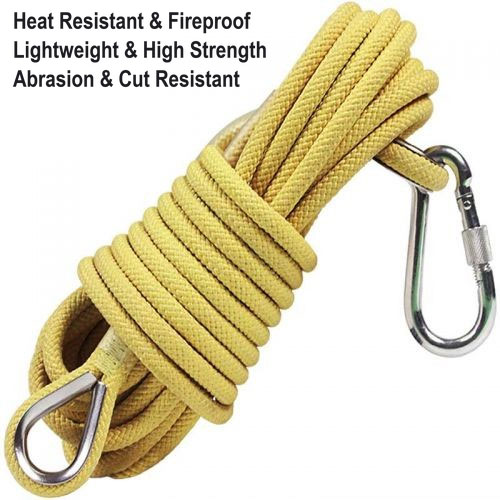
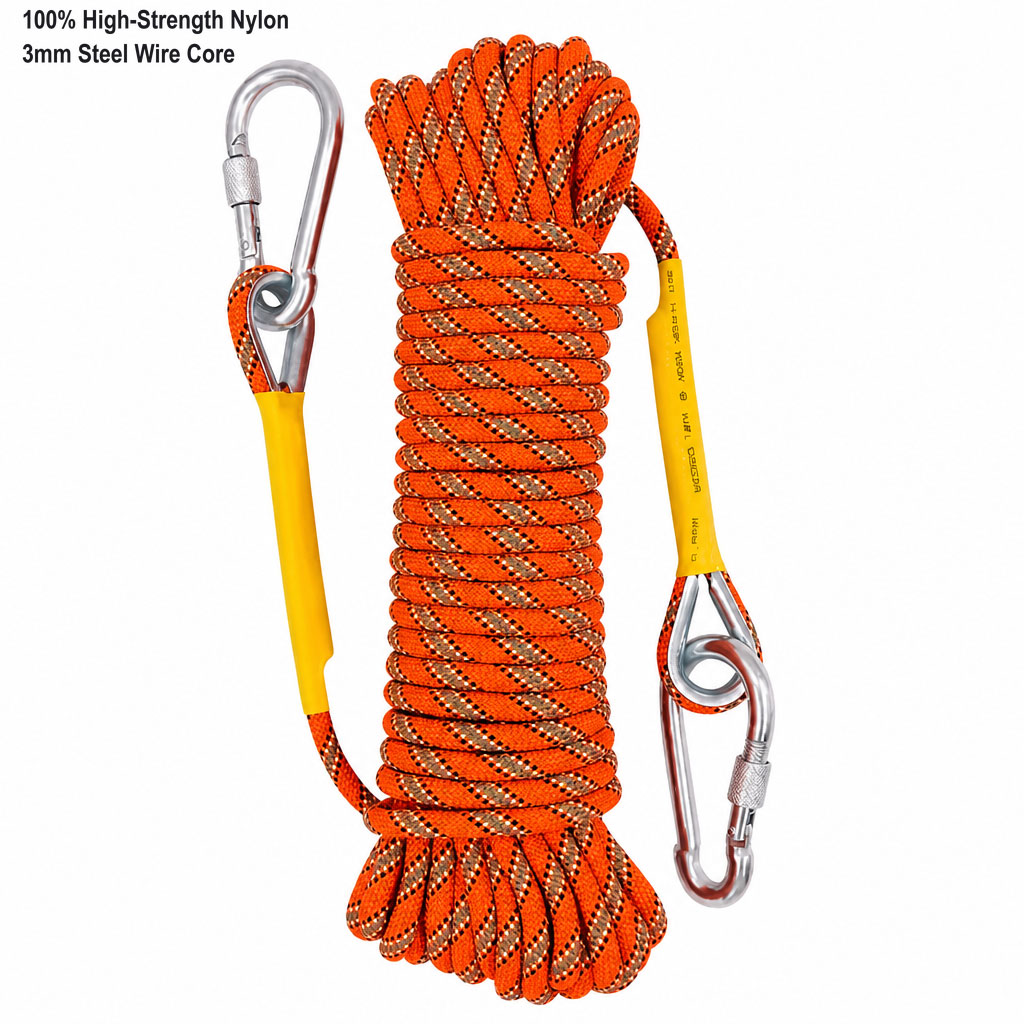
Lift Sling Rigging Co., Ltd manufacture Fire Rescue Rope,Fire Escape Rope,Fire and Rescue lines,Firefighting and Emergency Escape Rope.Fire rescue rope built to the class and document your order names. Low stretch kernmantle construction, custom diameter, length and ends. Enquire.
Hits: ℃
Release time:2026-09-26 14:22
Fire Rescue Rope
Heat, delivered unevenly. The cover may show glazing or fusing at one point and look untouched a metre away, while the core beside it has been taken past the temperature it was built for. This is the injury that cannot be seen from the outside, and the reason a rope with a fire history is retired rather than returned to the store.
Soot and pyrolysis products. They work into the structure of the rope and stay there. Some are abrasive, and some are chemically active, and neither announces itself.
Water, foam and detergent. A wet rope is a different length from a dry one, and a rope that has been washed is not the same article as one that has been rinsed. What was used on it belongs in the record.
Ash, grit and run-off. Grit inside a rope abrades the core from within every time the rope flexes, and the run-off from a fire is often more chemically aggressive than the smoke.
Emergency escape lifeline, fire escape rope, fire safety escape emergency rope, steel wire core fire rope — the escape duty: the person on the rope is the person escaping, the rope is stored for years and used once, and the untrained user is the constraint on the article.
Fire safety rope, static safety rope and dynamic safety rope — the three trade names, why one cannot stand in for another, and what the cover and the core each do.
Life Safety Rope — the category word itself: why there is no such thing as the specification for a life safety rope, and the full parameter table for a rope of a stated construction.
Firefighting rope — the working line a crew carries while a fire is being fought, and what a fire leaves on a rope.
This page — the rescue duty: a casualty moved under control by a rescuer, the system around the rope, and the standards that classify a fire rescue rope.
Fire Rescue Rope — Four Names on One Line, and the Two Duties They Mix
Lift Sling Rigging Co., Ltd manufactures the Fire Rescue Rope, and the line that came with this product names four articles in one sentence: Fire Rescue Rope, Fire Escape Rope, Fire and Rescue lines, and Firefighting and Emergency Escape Rope. Not one of the four says what the rope is made of, how it is built or what it will hold; every one of them states a duty. That is the difficulty this page takes on. Rescue is not escape, and neither of them is firefighting, and the difference decides the diameter, the construction, the ends and the figures an order has to fix.
The page does four things. It separates the duties behind the four names and says which page of this catalogue argues each one, so that a buyer who arrives on the wrong page leaves with the right link rather than the wrong rope. It names the documents that define this class of rope — EN 1891 Type A and Type B, NFPA 2500 (the standard that absorbed NFPA 1983), AS 4142.3 and CI 1801 — and says what each class is for. It gives the technical parameters an order has to define, in a table that states, for every figure, whether a buyer can check it on the coil that arrives or whether it can only be settled by a test. And it says plainly what this page does not claim, because on a rope that a person's weight is going to hang from, the difference between a figure and a claim is the whole subject.

1. Four Names on One Line, and the Two Duties They Mix
Read the four names as a buyer's question rather than as a product description, and they split into two groups. Fire Rescue Rope and Fire and Rescue lines describe work done by a rescue team on behalf of somebody else. Fire Escape Rope and Firefighting and Emergency Escape Rope describe work done by the person who is in the building, with the equipment that happens to be within reach. The two groups are bought by different people, at different moments, with different tolerances for handling, and they are inspected and retired on different rules.
The four names also quietly hide a third duty, which is firefighting itself: the working line a crew carries into the building while a fire is being fought. That duty is not in these four names at all, and it is the subject of a page of its own in this catalogue.
| The name on the line | Who is at the other end of the rope | The question it forces on the order | Where this catalogue argues it |
|---|---|---|---|
| Fire Rescue Rope | A casualty, moved under control by a trained rescuer | What the system around the rope has to hold, and which class of rope the order names | This page |
| Fire and Rescue line | The same, in the vocabulary used by procurement rather than by the rope trade | The same, and which document the buyer's specification names | This page |
| Fire Escape Rope | The person escaping, with no equipment and no training | What the rope has to survive being stored for years and then used once | Emergency escape lifeline and fire escape rope |
| Firefighting and Emergency Escape Rope | Both of the above, because the name joins two duties with the word and | Which of the two duties the buyer actually means — the name will not say | This page, together with the two pages above |
| (a duty none of the four names states) | A firefighter working in the building while the fire is being fought | What a fire leaves on a rope, and what the record of the exposure has to contain | Firefighting rope |
A buyer who needs one rope for two of those duties should say so at the enquiry, because a rope built to satisfy two duties is a rope built to the harder of the two, and it will not be the cheapest answer to either. The reliable move is to name the duty, not the word on the page.
2. What Rescue Adds to the Rope That Escape and Firefighting Do Not
Rescue puts three things on a fire rescue rope at once, and each of them changes the specification.
The load is somebody else's. A rescuer lowers, raises or belays a person who cannot help, which means the load arrives at the anchor as a sudden weight rather than as a gradual one, and it may arrive twice at once. That is why the words single-person and two-person appear in the classification of this class of rope in the first place, and why the class of a fire rescue rope has to be named on the order rather than assumed from the word rescue.
The descent is controlled. On an escape the rope is a last resort. On a rescue the rope runs through a descender, an ascender or a belay device, and the rope and the device are a pair. A diameter that the team's device cannot grip properly turns a good rope into a hazard, which is why the device belongs in the enquiry and not in a later conversation.
The rope is one part of a system. Anchor, edge protection, the rope, the device and the person make up the load path, and the fire rescue rope is the only one of the five that this catalogue makes. A rescue rope that is right and an edge without protection is still a failed system: heat, grit, rebar and a window sill will do to a rope in one incident what a decade of ordinary use would not.
Escape adds something different again — a rope that is stored for a long time and maybe used once, by somebody who has not been trained on it — and firefighting adds the fire itself. Those two subjects are argued on the pages linked in Section 1, and this page does not repeat them.
3. The Documents That Define This Class of Rope, and What Each One Is For
A fire rescue rope is not defined by this catalogue. It is defined by whichever document the buyer's specification names, and those documents do not ask the same questions. A rope of this class is usually a static kernmantle rope — a braided cover over a separate load-bearing core — but the construction, the material and the figures all follow from the document, so the document comes first. The table below names the four that buyers of this class of rope most often name, and says what each one is for. The figures in the third column are the figures those documents are usually quoted for, not figures this catalogue has measured on any rope; Section 5 explains why that distinction is the one that matters.
| Document | What it covers | What it is usually quoted for | What this catalogue says about it |
|---|---|---|---|
| EN 1891:1998 | Low stretch textile ropes of kernmantle construction from 8.5 mm to 16 mm, for rope access including work positioning and restraint, and for rescue and speleology. It defines two types, A and B. | Type A: minimum breaking strength not less than 22 kN. Type B: not less than 18 kN. | The document is named here so that a buyer can see which type his requirement falls into. Conformity is a matter for the order, not a claim made by this page. |
| NFPA 2500, which absorbed NFPA 1983 | Life safety rope and equipment for emergency services. It separates the article by duty: escape, technical use and general use, and it treats the single-person and two-person load as two different classes. | Escape-rope figures in the region of 13.5 kN, and general-use figures around twice that, with the values moving between editions. | Named for the same reason, and with one warning attached: a figure quoted from an old edition is not a figure from the edition in force. The order should name the edition. |
| AS 4142.3 | The Australian standard for rescue ropes, used by several fire and rescue services in the region. | Rescue-service procurement in Australia and nearby markets. | Named so that a buyer working to it can say so at the enquiry. Ropes for it are built to the construction and figures the order names. |
| CI 1801 | A Cordage Institute rope standard, used in the United States alongside the fire-service documents. | Rope properties stated by construction rather than by duty. | Named for completeness. Where a buyer names it, the rope is built and documented against it. |
Two of those documents are European and two are not, they are not interchangeable, and a rope built to one is not thereby a rope built to another. That is the practical reason this page names no figure of its own: the same fire rescue rope can be inside one document and outside another, and only the buyer knows which document his service works to.
4. Technical Parameters: the Figures the Order Defines, and Which of Them Can Be Checked on Delivery
A rope has fewer parameters than a net or a sling, and each of them does more work. The table below gives the unit, then how the figure is established, and then the column that decides whether a quotation is checkable at all: whether the buyer can verify the figure on the coil that arrives, or whether it can only be settled by a test. Almost every dispute about a fire rescue rope comes from a figure in the right-hand column being quoted as though it belonged in the middle one.
| Parameter | Unit | How the figure is established | Checkable on a delivered coil, or only by test |
|---|---|---|---|
| Diameter | mm | Measured across the fire rescue rope at more than one point, under a stated tension, because a rope that is not under tension is not round | On a delivered coil, but only against the same tension. Measured loose it will read larger than the figure it was sold at |
| Diameter tolerance | mm, or a percentage | Stated as a band, because a rope is built to a construction rather than turned to a size [确认] | On a delivered coil. Without a band, a rope that is right and a rope that is wrong cannot be told apart |
| Construction, and the number of groups or strands | none | Named: twisted or braided, how many strands, and whether the cover is braided over a separate core [确认] | On a delivered coil, by eye and by hand. It is the figure the four product names do not contain |
| Mass per unit length | grams per metre | Weighed on a known length. It is not calculated from the diameter, and a figure that has been calculated can be recognised because it disagrees with the scale [确认] | On a delivered coil, with a scale and a tape. It is the cheapest check a buyer can make and the one that catches the most substitutions |
| Material of the load-bearing part | none | Named by the maker, and it is the core that carries the load, not the cover [确认] | On a delivered coil, from the label. What is inside can only be confirmed by taking a sample apart |
| Material of the cover, where it differs from the core | none | Named separately, because a cover is chosen for grip, wear and heat rather than for what it carries | As above. A rope whose cover and core are one material and a rope whose cover is chosen separately look identical in a photograph |
| Share of the mass carried by the cover | percent | Established by dissection, or by weighing the two parts of a sample | Only by test. It decides how much of the load the outside of the rope is taking, which decides how it wears |
| Extension at a stated load | percent | Measured between two marks on a sample as the load is applied, so the load has to be named with the figure or the figure means nothing | Only by test. This is the figure behind the phrase low stretch, and the phrase without the load is not a property |
| What the rope keeps after repeated loading | percent | Measured by loading and releasing the same sample and looking at what length it comes back to | Only by test. It is the difference between a rope that is still the length it was cut to and one that is longer than it was cut to |
| Change in length when wet | percent | Measured, not assumed, because it differs by material and by construction | Only by test, and it is worth having: a rope cut to length dry is not that length wet, and on a fixed installation that difference is a fitting that no longer reaches |
| Length, and length tolerance | metres, percent | Measured under a stated tension, for the same reason as the diameter, and stated as a band for a fire rescue rope [确认] | On a delivered coil, and it is the second cheapest check after the mass. A length with no tolerance attached is a length that cannot be rejected |
| What is at each end | none | Named end by end: a finished end, an eye, or an eye with a fitting; and if an eye, whether it is formed from the rope itself or held by hardware | On a delivered coil, visibly. Section 6 is about this row, because on a rope the ends are where the article is decided |
| Identity, and what travels with the coil | none | What is marked on the rope, how it is marked, and which documents accompany the coil | On a delivered coil. A rescue rope that cannot be traced to a batch cannot be retired on evidence |
Thirteen rows, and the split between the two right-hand columns is roughly half and half. That proportion is the honest picture of a fire rescue rope: about half of what an order defines can be checked by whoever receives the coil, and the other half is a claim about behaviour that only a test can settle. A buyer who knows which half he is looking at can tell a careful reply from a confident one.
5. The Four Figures That Are Quoted Without Their Basis
Four figures appear in almost every quotation for a fire rescue rope, and none of the four means anything on its own. They are worth naming, because each of them is missing a different thing.
| The figure as it is quoted | What is missing | What to ask for instead |
|---|---|---|
| A breaking strength in kN, with no document and no class | Which class of rope, and which document the class comes from. A single-person class and a two-person class are different articles | The document and the class, then the figure against them |
| An elongation percentage, with no load attached | The load it was measured at. The same rope extends by different percentages at different loads | The percentage with the load named beside it, or nothing |
| "Heat resistant", with no temperature and no time | The temperature and the duration. Every fibre survives some temperature for some time | A temperature, a duration, and the material the claim belongs to |
| "30 kN", offered as a property of an 11 mm rope | The construction, the material and the standard. It is a figure sellers of rescue rope repeat, not a figure any document attaches to a diameter | The construction and material, the document, and the figure for that combination |
None of this is an argument against quoting figures. It is an argument for quoting them with the thing that makes them mean something, which costs one line on a quotation and prevents most of the arguments that follow delivery.
6. The Ends and the Edge: Where a Rescue System Actually Fails
On a fire rescue rope the middle of the rope is rarely the problem. The ends and the edge are.
The ends. A splice keeps the rope's own material doing the work and leaves a section that can be inspected and that tapers rather than steps. A knot costs a substantial share of the rope's strength and leaves a bend radius inside the fibre, and on a low-stretch rope the bend is the part that suffers. A whipped end is a finish and nothing more, and should never be the only thing holding a load. A fitting adds metal to the system and adds a part that has to be inspected separately. Whichever is chosen, it has to be named on the order end by end, because the two ends of a fire rescue rope frequently do different jobs.
The edge. A rope passing over a parapet, a window sill, a steel section or broken masonry is being cut and heated at the same time, and neither happens where the operator can see it. Edge protection is not an accessory to a rescue system, it is a component of it, and on this class of rope the absence of it retires more ropes than any other single cause.
The device. The descender, ascender or belay device the team owns was designed around a range of diameters. Name it at the enquiry and the diameter can be matched to it. Buy the diameter first and the device becomes the constraint.
7. What a Fire Leaves on a Rope, and What the Buyer Cannot See
A fire rescue rope that has been inside a fire comes out carrying more than heat, and the four other things travel with it into the next use if nobody takes them off.
The practical consequence is that the exposure, not the appearance, decides what happens to the rope. Two identical-looking fire rescue ropes that have had different incidents are two different articles, and only a written record can tell them apart.
8. Inspection, Retirement and the Record
The inspection of a fire rescue rope is short. Run the eye and the hand along the whole length, not just the part that was used. Look at the cover for glazing, fusing, flattening and abrasion, and feel for a flat or soft section, which is where a cover is intact and the core underneath is not. Check both ends: a splice that has slipped, a whipping that has opened, a fitting that has moved. Check that grit, soot or chemical contamination has not been worked into the structure.
Retirement is decided by history rather than by appearance. A fire rescue rope is removed from service after exposure to flame or heat, after contact with chemicals, after a shock load, after any damage that reaches the core, and at the interval the rescue service itself sets. And the record is what makes the rule enforceable: without the batch, the date of first use and the history of exposures written down, the person inspecting the rope is being asked to judge an article by its cover.
9. What the Order Has to Name Before a Figure Can Be Quoted
Ten items, and a quotation for a fire rescue rope that leaves any of them out is a quotation that will have to be revised once the rope is being used.
| The item | What the order has to say |
|---|---|
| Duty | Rescue, escape or firefighting — named, not implied by the word on the page |
| Class of rope | Which class the buyer's document requires, and which edition of it |
| Construction and material | The construction by name, and the core and cover materials named separately where they differ |
| Diameter | The figure, its tolerance band, and the device the rope has to run in |
| Length | The length, the tension it is measured under, and its tolerance |
| Mass per metre | Expected grams per metre, so the receiving check has a target |
| Extension | The percentage and the load it is measured at |
| Ends | Named end by end: eye, finish or fitting, and how each is formed |
| Marking and identity | What is marked on the rope and how, plus the batch reference |
| Documents with the coil | What has to travel with the delivery, and in what form |
Send those ten items and we will come back with a figure. Send fewer and we will come back with questions, because on a rope that is going to carry a person, a figure quoted without them is a guess with a number attached.
10. Which Part of This Subject Is Argued Where
This catalogue argues the fire and rescue family on five pages, and each of them takes a different part of the question. A buyer who is on the wrong one will find the link he needs in this list.
Two more pages take the material question, which cuts across all five duties. The aramid and Kevlar fireproof cord page argues what a heat-resistant material changes and what it does not, and the UHMWPE round sling page argues the opposite trade-off, where strength for weight is bought by giving up temperature range. Around the ropes themselves, the nylon rope range, rope ladders, safety harnesses, nylon safety nets and the lifting catalogue index cover the rest of what a rescue team buys from this factory.
11. What This Page Has Deliberately Not Said
Four omissions, each of them a decision rather than an oversight, and each of them stated so that a buyer is not left to infer an answer from the shape of the page.
It states no breaking-strength figure of its own. The figures for a fire rescue rope belong to the class and the document named on the order, and this catalogue has not tested the article described here against a document that nobody has named yet.
It claims no conformity to any outside document. EN 1891, NFPA 2500, AS 4142.3 and CI 1801 appear on this page as documents a buyer may work to, not as approvals held by this article. If a document has to be named on the delivery paperwork, that belongs on the order.
It does not define "rescue rope" as a specification. Rescue is a duty, and a duty does not fix a diameter, a material or a figure. The words single-person and two-person are in the classification for exactly this reason.
It does not rank the four documents. Choosing between them is the rescue service's decision, made against the regulations it works under, and a supplier who ranks them for the buyer is answering a question that is not his to answer.
12. Frequently Asked Questions
What is the difference between a fire rescue rope and a fire escape rope?
On a fire rescue rope the person at the other end is usually someone else, and the descent or haul is controlled by a rescuer who is trained and equipped. On a fire escape rope the person on the rope is the person who is escaping, with whatever they happen to have with them. The two duties put different requirements on the rope, which is why this catalogue argues them on two different pages.
What diameter should a fire rescue rope be?
There is no single correct diameter, because the diameter has to suit the descender, the ascender or the belay device the rescue team already owns. A rope that is too thick will not run in the device and one that is too thin may not be gripped by it. Name the device and the working load with the enquiry and the diameter follows from them.
What breaking strength should I specify for a fire rescue rope?
The figure belongs to the class the order names, not to the word rescue. A line intended for a single person under tension, a line for a two-person load, and a line that is part of a rescue system each sit in a different class in the documents that define them. This page names the documents and the classes; the order has to name which one applies, and the figures are then quoted against it.
What does low stretch mean, and why does the elongation figure need a load attached to it?
Low stretch describes a rope that extends little under the loads it is used at, as distinct from a dynamic rope that is built to extend in order to absorb a fall. An extension figure is meaningless on its own: the same rope extends by different percentages at different loads, so a percentage quoted without the load it was measured at cannot be compared with anything.
Is the rope in the photographs certified to EN 1891 or NFPA 1983?
This catalogue does not claim conformity to any outside document for this article unless the order names it. The documents are named on this page so that a buyer can see which class his requirement falls into and can say which one the rope has to be made and tested against. Where a document is named on the order, the testing and the paperwork are named with it.
Can you make the rope in a heat-resistant material?
Yes, where the order names the material and the exposure it has to survive. Heat resistance is not a property of a rescue rope as such; it is a claim about a material at a stated temperature for a stated time, and a different material changes the extension, the mass and the way the rope handles as well. The aramid page of this catalogue argues the material question separately.
What ends should I order, and what has to be on the order?
The ends are half the article, because a splice, a knot, a whipping and a fitting each change what the rope can be used for and how it can be inspected. Section 9 lists what the order has to name: the duty, the class of rope, the construction and material, the diameter with its band, the length with its tolerance, the mass per metre, the end finish, the marking, and the documents that have to travel with the coil.
How do I inspect a fire rescue rope, and when is it retired?
Inspect before and after use, and formally at the interval the rescue service sets. Look at the cover for glazing, fusing and abrasion, feel along the whole length for a flat or soft section where the core has been damaged, check both ends for a slipped splice or a damaged whipping, and check for grit, soot and chemical contamination. Retire on any exposure to heat, flame, chemicals or a shock load, because these are the histories that cannot be seen from the outside.
Request a quotation for a fire rescue rope
Send us the ten items in Section 9, or as many of them as you already know, and we will confirm the specification of your fire rescue rope with you before the rope is made. If you are still deciding which duty you are buying for, tell us what the rope has to do and who is at the other end of it, and we will say which of the five pages above answers your question — including telling you plainly when the article you have in mind is the wrong one for the job.
Send an enquiry | Contact us | Contact information
Lift Sling Rigging Co., Ltd — Contact: Wang Lili | Tel / WhatsApp: +8618066002268 | E-mail: 702461526@qq.com | Address: Lifute Industrial Park, Taizhou City, Jiangsu Province, China

- Previous:Firefighting rope
- Next:Kevlar aramid rope strongest fireproof cord
-
Drone Anti-collision Net
-
Extra Large Capacity Cargo Net
-
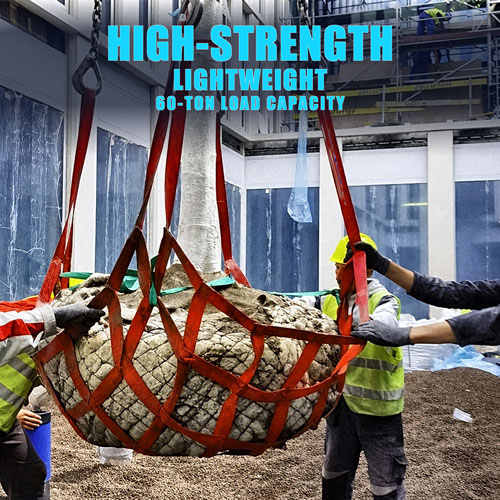
Cargo Webbing Net
-

Color changing nylon double buckle loop nylon braided rope
-

Two end buckle lifting rope, double buckle round lifting rope, double fork nylon lifting rope, non jointed nylon lifting rope
-

Emergency escape lifeline, fire escape rope, fire safety escape emergency rope, steel wire core fire rope

