 Language
 简体中文
简体中文
- On the 2018 National Day holiday, Lifet completed six 100 ton large tonnage lifting belts as a gift
- The role of suspension net in the transportation of goods turnover
- Cargo soft lifting net, lifting net, lifting net, lifting net, bag, climbing net
- Precautions for using Lifutiden elevator
- How to make circular lifting straps
Contact: Wang Lili
E-mail:18066002268
Phone:702461526@qq.com
Address: Lifute Industrial Park, Taizhou City, Jiangsu Province
Lifute Hoisting Co., Ltd. 18066002268 produces lifting belts, lifting nets, nylon ropes, soft ladders, steel wire rope rigging, paper ropes, safety belts, safety nets, lifting chains, steel coil hoists, crossbeam hoists, flat lifting belts, circular lifting belts, electric traction ropes, high-altitude safety belts, and anti fall safety nets
Hits: ℃
Release time:2026-09-27 10:58
White disposable lifting ring, disposable white flat lifting sling, acid and alkali resistant disposable white lifting sling, white disposable lifting sling, white disposable lifting sling
White Disposable Lifting Ring and White Flat Lifting Sling — White Is a Colour, Not a Grade
A white disposable lifting ring or a disposable white flat lifting sling is a single-journey article whose band carries no colour but its own. That one property do es two things at once, and both of them are the reason this page exists. It means there is nothing on the band that can come off the band — no dye to transfer to a pale or finished lo ad under pressure and moisture. And it means the article is its own inspection surface: soil, oil, a rust bleed, a snag or a patch of mould has nowhere to hide on a white band, while the same mark on a dark band is invisible until it matters. A single-use article adds a third thing to those two: the surface is new at every load, because the piece is bought per job instead of clean ed and re-inspected.
The other half of the name needs a warning before anything else on the page, because it is the most misread part of it. Acid and alkali resistant is a fibre question, not a colour question. Whether a band survives a pickling line, a caustic wash or an acid-washed load is decided by the yarn the band is woven from and by what the chemistry does to that yarn, and the colour of th e band has no part in that decision at all. A white band of the wrong fibre is the wrong band, and a coloured band of the right fibre is the right one. The four fibres' cases are made properly on the pages that own them, and this page links to them rather than repeating them; what this page owns is the colour, and the consequences of buying a white article one trip at a time.

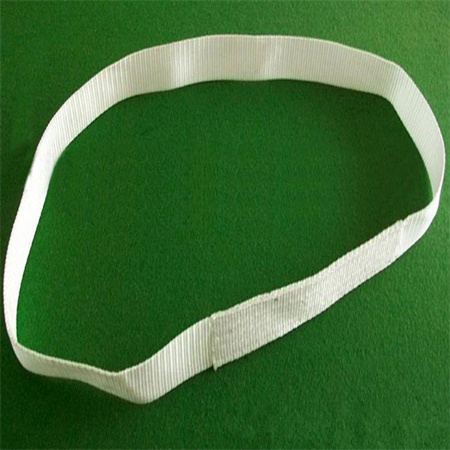
The article this page is about, and the only photograph of it that matters for the first section: a white flat woven band, close d into a loop, photographed on a plain ground. Two features of the photograph are the subject of the next three sections. The first is that the band has no colour on it that the fibre did not come wit h, so there is nothing on it to transfer to a load. The second is that the weave, the turn of the loop and the place where the band is closed are all plainly visible, which is what makes a light band a better inspection surface than a dark one.
1. The Four Phrases in the Name, and What Each One Actually Decides
The name of this article is four phrases long, and a buyer who treats them as four ways of saying one thing will order the wrong piece. Each phrase is a separate decision, and each of them is made on a different part of the article. White disposable lifting ring names a form as well as a colour: the ring is the sleeved circular article, which is a different construction from a flat band and is dealt with on this site's round sling pages. Disposable white flat lifting sling names the flat woven article and the single-journey basis together. Acid and alkali resistant disposable white lifting sling adds a chemical duty, which as the introduction says is settled by the fibre. And white disposable lifting sling is the genera l case that covers all three.
What the four phrases have in common is a single word: white. That is the only property this page can claim as its own subject, and it is worth being clear about how much a colour can and cannot de cide. A colour cannot decide strength, cannot decide resistance to acid or alkali, cannot decide whether a band is fit for food, and cannot decide how long a band lasts. A colour can decide three thin gs: whether the band has dye in it that might leave the band, how easily a mark on the band is seen, and what the band looks like in a photograph taken after an incident. Those three are not trivial — the second is an inspection feature and the third is a liability feature — but they are the whole of the colour's contribution, and a page that claimed more would be a page that a careful buyer shoul d not trust.
| Phrase in the name | The decision it records | Where it is settled properly |
|---|---|---|
| White disposable lifting ring | The sleeved circular form, made for one journey. The ring is a construction in its own right and behaves differently from a fl at band on the same load. | The endless round sling page for the construction, and t he disposable circular sling page for the single-journey version of it. |
| Disposable white flat lifting sling | The flat woven article, bought per job and not recovered. | The single use page for the category, and the white polypropylene page for the band itself. |
| Acid and alkali resistant | A chemical duty, which is decided by the yarn and not by the colour. | The acid and alkali resistant page, the polypropylene flat sling page and the nylon woven flat sling page. |
| White disposable lifting sling | The general case, and the one this page deals with: the colour, the single journey, and what the two of them together change.< /td> | This page. |
| The double-ear white band | A white band with a reinforced end at each end, which is a fourth form that the same name is sometimes used for. | The acid-alkali flat double-ear page. |
Two of those destinations deserve a sentence of their own, because they are the two pages a buyer for a chemical duty will need and neither of them is this one. The acid and alkali resistant page i s written around the duty itself, including the case where one crane serves a pickling line and a caustic wash in the same shift, which is a harder problem than either chemistry on its own. The white polypropylene page is written around the white band as a range, from one tonne to ten, and around the question of why a buyer would pay for white at all. A reader whose question is either of those sho uld leave by the link rather than read on here, because the detail they need is there and it is not repeated here.
2. What "White" Is on a Synthetic Band: the Colour That Was Not Added
On a band woven from synthetic yarn, white is not a colour that has been applied. It is the colour the article has when the maker has done nothing to change it, which is why the phrase in the trade is not white but undyed: the band is white in the sense that a sheet of paper is white, by the absence of anything else. The commercial consequence of that is the first thing to be c lear about, because it is the reason this article exists. Whatever the band is going to do to the load in front of it, one thing it cannot do is deposit dye, because there is no dye in it to deposit.< /p>
That is a small statement with three practical consequences. The first is that the band does not need a colour-fastness question answered before it goes onto a load. Colour fastness is a real and s tandardised textile property: it is the resistance of a material to losing its colour, and the ISO 105 family of tests is the body of methods used to establish it, including rub tests which are carrie d out first with a dry cloth and then with a wet one. Those two tests are the mechanism by which a coloured band marks a load — pressure and moisture together — and they are the reason a supplier of c oloured bands will be asked about fastness and a supplier of white ones will not. The second consequence is that there is nothing on the article to fade: a white band does not become pale over its jou rney, because it started pale. The third is that there is nothing on the article to run, so a white band used in the rain is a wet band rather than a wet band with a colour decision attached to it.
One qualification belongs in this section rather than in a footnote, because it is the difference between a careful answer and a careless one. White does not by itself mean additive-free. White textiles are frequently finished with an optical brightener, a substance that makes a white look whiter without being a dye in the ordinary sense, and a buyer whose reason for choosing w hite is the absence of anything that can transfer should ask the maker whether the band is undyed only, or undyed with a brightening finish. It is a question with a short answer and it belongs on the enquiry, in the same place as the fibre and the width. What the buyer should not do is assume that the word white in a catalogue carries that answer already, because it does not.
| Question about the colour | What the answer is on a white band | What it means for the buyer |
|---|---|---|
| Is there dye in the article? | No. The band is undyed, which is what white means on a synthetic band in the first place. | The colour-fastness question does not arise: there is no colour to be fast or otherwise. |
| Is there an optical brightener? | Possibly. It is a finishing treatment rather than a dye, and a buyer cannot tell by looking. | Ask. If the reason for choosing white is the absence of additives, undyed-only is the specification to write. |
| Can the colour fade? | There is nothing to fade, so the answer is not the useful one. | What changes instead is the band's own whiteness, which darkens where it has been handled — and that leads to section 4. |
| Does white hold soil better than a dark colour? | It shows soil earlier rather than holding it longer. | That is the inspection feature, not a defect: a mark is seen while it is still small. |
| Does white mean the fibre is a particular one? | No. Polyester, polyamide and polypropylene are all woven in white, and they behave differently from each other. | The fibre line on the order is separate from the colour line, and section 5 explains why this is not a formality. |
| Does white mean it may be used on food? | It does not mean anything of the kind. A colour is not a hygiene approval, and no buyer should read one as the other. | A food or hygiene decision is made from the maker's declaration and the conditions of use, not from the colour. §9. |
3. The Dye That Is Not There: Colour Fastness and the Load That Must Not Be Marked
The buyer who specifically asks for a white band is usually a buyer with a load that shows marks. The list is short and recognisable, and every entry on it is a load whose surface is part of what i s being sold: bare or anodised aluminium, painted and powder-coated sheet, white goods, glass, paper and paperboard, food packaging, light-coloured textiles and anything with a factory-applied finish that a customer will inspect. On loads like those the question is not whether a band is strong enough; it is whether the band leaves evidence of having been there.
Three mechanisms produce that evidence, and a white band removes only one of them. The first is dye transfer: a coloured band in contact with a pale surface under load, especially if either is damp, can leave its colour behind. That is the mechanism a white band eliminates, because the transfer has to start from the band and on a white band there is nothing to start. The second is abrasion: a woven band under load can polish or dull a finished surface, and a white band does that exactly as much as a coloured one. The third is soiling: whate ver is on the band — grit, oil, a rust film, the contents of the last job — can be pressed into the load's surface. A white band does not prevent this; what it does is make it visible on the band firs t, so that a dirty band is removed rather than pressed onto a pale load.
The practical consequence for the buyer is a change in what to write on the order and what to do at the load. On the order it means the colour is asked for as a protection for the load and not as a n appearance preference, and it means the fibre and the colour are written as two separate lines, because a white polyamide band is not interchangeable with a white polypropylene one. At the load it m eans the article is inspected for what it is carrying before it is used, which is a different check from the one a returnable sling gets: nobody is looking for wear in a new single-use band, so the on ly thing worth looking at is whether it is clean. That check takes seconds, and it is the reason the white surface and the single-journey basis belong to the same article.
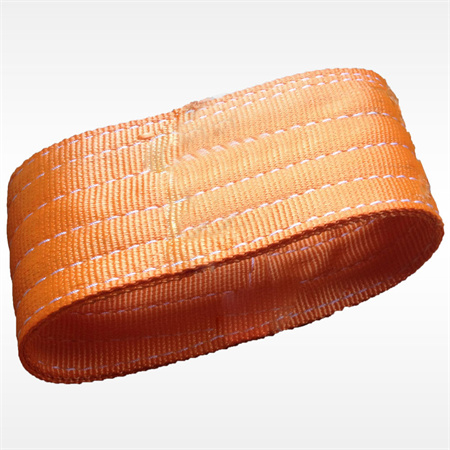
A band that has been coloured, for comparison, and a photograph that shows what the white article does not have. The colour on t his band is a capacity colour, and what it means is set out on the page that owns that system rather than restated here; what matters for this page is simply that the colour is present, that it was ap plied to the yarn, and that under pressure and moisture applied colour is the thing that can leave a band and arrive on a load. The white article in the first photograph has no such layer to give away .
4. The White Band as Its Own Inspection Surface
Turn the argument round and the same property becomes a safety feature. A mark on a band has to be seen before the band is used, and on a white band a mark is seen at the size it actually is. Three classes of damage that a dark band conceals are legible on white almost immediately, and each of them is worth a sentence because each one is a reason the article was specified white rather than beca use white was in stock.
The first is soiling of every kind: grit from a yard, oil from a machine, a rust film from the last load, a smear of whatever the band was laid on. On a pale band these read as a c hange in tone, and the band's history is legible from the load end. The second is moisture damage and its consequences. A band stored damp, or left wet in a closed box, is where mould and mildew begin, and both are visible on a white surface as a dulling and a spotting long before either has taken hold in the weave; on a dark band the same growth is invisible until the fibre has b een weakened. The third is mechanical damage: a snag, a pulled thread, a cut, or the small glazing that a band gets when it has been dragged across something hard. On a white band the se are seen against the plain background of the weave, which is exactly why the band's own face is a more useful inspection surface than a printed one.
Then the single-journey half of the name supplies the fourth feature, and it is the one that is easy to overlook because it is not on the band at all. On a returnable article, the inspection surfac e has to be maintained: the band is examined, cleaned, dried, stored and examined again, and every one of those steps is a chance for a mark to be missed or a decision to be deferred. On a single-use article the surface is reset by purchase. Every load gets a band whose history is its packaging, and the only question the rigger has to answer is whether the piece in his hand is sti ll in the condition it was delivered in. That is a smaller question than the one a returnable regime asks, and on a pale band it is also a question that can be answered by looking.
| What lands on the band | What a white band shows | What the rigger does about it |
|---|---|---|
| Grit, dust and yard dirt | A general dulling and a darkening at the turns, visible as soon as the band is unrolled. | Put it aside rather than press it into a pale load; grit inside the contact abrades the load as well as the band. |
| Oil, grease and hydraulic film | An obvious local patch, with the characteristic spread of a liquid into a woven face. | Treat as a load-marking risk first and a band problem second. §3. |
| Rust or mill scale from the last job | An orange-brown transfer that a white band shows as a stain rather than as a shadow. | Do not reuse on a finished surface; this is the commonest single cause of a mark on a pale load. |
| Damp storage | A dull patch, a faint spotting, and eventually the smell of a band that has been kept wet. | Dry the quantity and keep it dry; a store that keeps a white band visible is a store that catches this early. |
| Mould and mildew | Spotting and a loss of the band's even appearance, before the fibre itself is affected. | Withdraw the piece; a consumable has no reason to be cleaned back into service. §8. |
| A cut, a snag or a pulled thread | A break in the regular pattern of the weave, readable at arm's length. | Withdraw the piece and record it, so the pack's count stays true. |
| Glazing or polishing from dragging | A local sheen where the weave has been flattened against something hard. | Look at it twice: a polished patch is where a band fails first and is exactly what a dark band hides. |
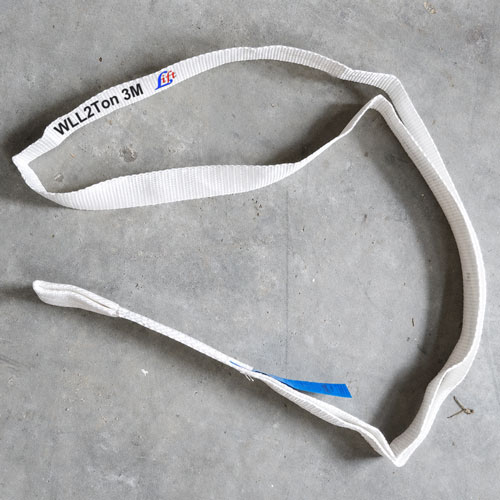
The white band with its two figures on it, photographed on a works floor rather than in a studio, which is the condition the sec tion above is about. Read the photograph as a check rather than as a product shot: the printed figure is legible in daylight on a dirty floor, and there is nothing else on the band to read. On a pale article the print and the weave are the only two things on the surface, so a change in either of them is a change the rigger can see.
5. "Acid and Alkali Resistant" Is a Fibre Question, Not a Colour Question
An acid and alkali resistant disposable white lifting sling is the longest of the four phrases in the name, and it is the phrase that does the most damage when it is misread, because a buyer who be lieves that a white band is somehow a resistant band will specify the colour, receive the colour, and discover the error when the band is on a pickled load. The colour and the chemistry are decided on different lines of the order and by different means. The colour is decided by the maker with a decision to leave the yarn undyed; the chemistry is decided by the buyer with a decision about which yar n the band is woven from. Get the first one right and the second one wrong and the band will transfer nothing to the load and will not survive the load either.
The three fibres this site works in do not behave alike, and the difference is not a matter of degree. Polypropylene is th e fibre this site's acid-duty pages are built around, in the context of an acid-washed or pickled steel line. Polyamide is the other side of the same conversation, and it is also the fibre named on this site's acid and alkali page as the resistant one for a combined duty. And the band itself, the woven form, is a third variable: the same yarn in a heavier or a lighter build is a different article in the same chemical environment, because the amount of material the chemistry has to reach is different.
What a buyer should take from this section is not a fibre recommendation, which belongs on the pages that own each fibre, but a rule about how to write the enquiry. Ask for the colour as a colour, and ask for the resistance as a resistance, and put both on the order. A specification that says white alone has answered the easy question and left the hard one open, and the two pages linked above a re where the hard one is answered for the two chemistries this site writes about. The single case that deserves special care is the mixed duty, where one crane serves a pickling line in the morning an d a caustic wash in the afternoon: that is not two duties, it is one duty with two halves, and the acid and alkali resistant page is written around exactly that problem.
| Line on the order | What it decides | What it does not decide |
|---|---|---|
| White, or undyed | That the yarn has not been coloured, so there is nothing on the article to transfer to a load. | Nothing about chemistry, strength, width or the loads the article may be used on. |
| Acid resistant | The yarn, and the fact that a specific chemical environment has been considered at all. | What happens on the alkali half of the same shift; that is a second line or a second page. |
| Alkali resistant | The other half of a combined duty, and the half that is most often forgotten when a supplier quotes from the acid side alone.< /td> | Nothing about the colour; a resistant band is ordered in whatever colour the system requires. |
| Single use, one trip | The commercial basis, and the fact that the piece will not be recovered, cleaned or examined again. | Nothing about chemistry. It is a common mistake to think a disposable article is exempt from the fibre decision; it is not. |
| Width | How much of the load the band touches, and therefore how the load is spread. | Nothing about colour or chemistry, though a wider band is also a larger white surface to inspect. |
| The marking the band must carry | That the figure and the length are legible on a piece whose colour is the background they are printed against. | What has to be printed; that list belongs to the standard, not to this page. §10. |
6. The Loads That Are Specified White: Seven Cases and One Rule
White is bought for a reason in each case, and the reasons are not all the same reason. Sorting them out matters because a buyer who recognises his own case in the list can write a specification th at a supplier can act on, and a buyer who cannot will order white because white is what the last person ordered. The seven cases below are the ordinary ones on this site's duty, and each of them names the property of the load that makes the colour worth having.
The first is bare or anodised aluminium, where any deposit is visible against the metal and the metal itself is soft enough to take a mark. The second is painted and powder -coated sheet, where the finish is the product and the buyer's customer will look at it. The third is white goods and appliances, where the surface is white already and the w hole point of the finish is that it stays white. The fourth is glass, where a mark on the surface is magnified by the surface. The fifth is paper, paperboard and packaging, where the material is white by nature and any transfer is immediately a reject. The sixth is light or natural-coloured textiles, where a transfer cannot be removed without remo ving the finish as well. And the seventh is the general case of a finished part that leaves the works looking new, where the specification is driven by the customer's inspection rathe r than by the producer's.
One rule covers all seven, and it is worth stating because it tells the buyer where the decision really sits. The load decides the colour, and the load also decides whether the colour is en ough. On the first six cases a white band removes one class of defect and leaves two others in place, which is why section 3 separates transfer from abrasion from soiling. On the seventh, the load may be pale but the band may be lifting a bundle of steel first and a painted panel second, and the same article cannot be clean for the second job if it has been used on the first. That is the second reason this article is a single-use one: the white surface is a property that is spent by use in the same way that the article's rating is spent by a journey.
| The load | Why white is asked for | What white still does not fix |
|---|---|---|
| Aluminium, bare or anodised | Every deposit shows on the metal and the metal takes a mark easily. | Abrasion from the weave, and any grit the band is carrying. |
| Painted and powder-coated sheet | The finish is what the buyer sells, and a transfer is a reject. | Pressure marks at the turns, which are geometry rather than colour. |
| White goods and appliances | The surface is white, so any colour on the band is a risk with no upside. | Handling soil, which is the dominant defect on this class of load. |
| Glass, flat or fabricated | A mark is magnified by the surface and a coloured band is the most likely source. | Nothing about the sharp edge: glass cuts a band and a white band exactly as much as a coloured one. |
| Paper, paperboard and packaging | The material is white by nature and a transfer cannot be hidden or reworked. | Compression damage from the load being gripped, and moisture in the stacks. |
| Light textiles and natural-coloured goods | A transfer cannot be removed without removing the finish with it. | Surface fuzzing where the band has rubbed. |
| A finished part leaving the works | The customer inspects the surface, so the producer's own standard is not the one that applies. | Nothing about the article being reusable: the white surface is spent by the first job that soils it. |
| Mixed duties on one site | A yard that lifts steel bundles and pale panels out of the same store wants one article for both. | Nothing can make that work if the two duties share pieces; they need separate quantities. |
7. Soiling, Moisture and Odour: What a Light Band Shows First
A white band is unforgiving about its own condition, and that is the feature rather than a fault, but it does mean the article has three failure modes that a dark band hides until they are advanced . The first is moisture. A band that has been rained on, used wet, or stored in a closed container in a humid season holds water in the weave, and water in a woven synthetic band is n ot immediately harmful; what is harmful is what happens if the band is put away wet, which is where the organic growth starts. On a pale band the dulling and the spotting are visible at the stage when the growth is on the surface of the weave rather than inside it, which is the stage at which the piece can simply be withdrawn.
The second is the chemistry of what is already on the band. A white band that has been in contact with an oil film, a cutting fluid or the residue of a pickled load is a band whose next contact is with a pale surface, and the residue is the defect rather than the band. On a white band the residue is visible; the practical rule is that a soiled white band is not a band to be cle aned and re-issued on a single-journey article, it is a band to be set aside, because a consumable has no cleaning budget and the whole cost argument assumes it does not need one. The third is odour, which is the least precise of the three and still the most reliable early signal in a closed store: a quantity of woven band that has been put away damp develops a smell before it dev elops a visible defect, and a store that keeps its consumables in a closed box and opens it occasionally will notice.
The three of them together produce a storage rule that costs nothing. Keep the quantity as it arrived, in its packing or under a cover; keep it off a bare concrete floor; keep it out of the heat sh adow of plant and away from the drums shelf; and if the quantity gets wet, dry it before it is put away rather than after. None of that is a procedure that needs a written instruction, and all of it i s what the visible condition of a white band is there to prompt. The counting, issuing and checking side of holding a quantity of these pieces is on the single use endless webbing sling page, which owns that argument and is not restated here.
| Condition | What a white band shows first | The habit that removes the problem |
|---|---|---|
| Put away wet after a shift | A dull patch and faint spotting, and later a smell when the box is opened. | Dry the piece and the pack before the box is closed; a white band makes the omission visible next morning. |
| Storage on a bare floor | A soiled lower face and darkened turns, which is where the band will be loaded hardest. | A pallet, a shelf or a liner; the same rule that keeps a band out of the traffic lane. |
| Contact with an oil or fluid film | A local patch with the spread of a liquid, which tells the store the piece was in contact with plant. | Set the piece aside rather than clean it; a consumable has no cleaning budget. |
| Contact with a pickled or acid-washed load | A change of tone on the band that a dark band would absorb without a trace. | Keep the acid-line quantity separate from the quantity used on pale loads. |
| Storage beside drums and opened containers | Nothing at first, and then everything at once when a splash has reached the pack. | Do not store the quantity on the same shelf as chemistry; the colour will not warn you in advance. |
| Long storage under a skylight | An even loss of the band's brightness that is easy to mistake for age rather than exposure. | Keep the quantity under a cover; a white band is also a light meter. |
| Mixed used and unused pieces in one box | A difference in tone between the pieces, which is a warning that the box has lost its identity. | Keep the unissued quantity in its own pack; the store rule is on the page linked above. |
8. One Trip, So Nobody Cleans It: What the Single-Journey Rule Does to a White Band
The last two words of the name change how the first one is used. On a returnable article, a white band that has been soiled is a band with a decision to make: it can be cleaned, dried, examined and returned to the rack, and the whole point of a white band on a returnable article is that the cleaning is worth doing because the article is worth keeping. On a single-journey article there is no suc h decision, because there is no rack to return it to. A soiled white band is a piece whose useful property has been spent, and the honest treatment of it is to withdraw it and count it, not to wash it and put it back in the box.
That sounds wasteful and it is not, for a reason worth spelling out because it is the whole commercial logic of this article. The cost of cleaning a woven band properly — the detergent, the water, the drying, the space, the person, and the examination that has to follow the cleaning — is a cost per piece, and on a pale band it is a cost that has to be paid at the moment when the band is least l ikely to be looked at. A buyer who compares the price of a white single-use band with the price of a white returnable one and stops there has compared the two numbers that matter least. The comparison that decides the question is the cost per lift including the handling, and on a one-trip job in a dirty yard the handling is where the money goes.
There is one further consequence that belongs in this section because it is a safety point rather than an economic one. A piece that has been cleaned looks cleaner than it is, and on a white band t he difference between a piece that has just been washed and a piece that has just been made is not visible to the person holding it. A single-use rule removes the ambiguity: on this article, a piece t hat looks new is new, and a piece that looks soiled is spent. The rule is worth keeping for that reason alone, and the counting and issuing side of holding a quantity of these pieces is on the single use endless webbing sling page.

A quantity of the article, and the shape a white single-use band has in a store: not one piece, but a countable group that share s a specification, a colour and a job. Nothing about any single band in that pile distinguishes it from its neighbours, which is why the group's paperwork is the only thing that knows what the group i s, and why the section above insists that a soiled piece is withdrawn and counted rather than cleaned and returned to the pile.
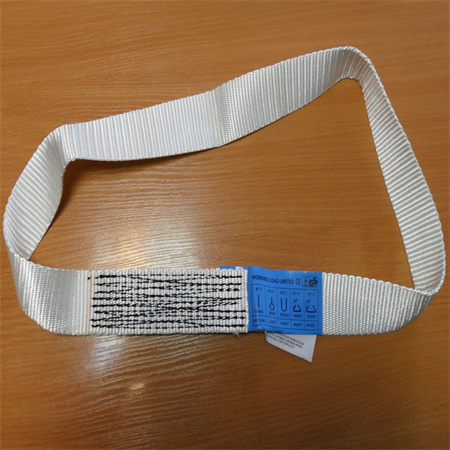
The same article with its identification on it, and the point at which the colour and the marking have to be considered together . A white band is the friendliest possible background for print and for a woven label, which is an argument for the colour that has nothing to do with the load: on a pale band the figure and the lengt h are legible from further away and in worse light than on a dark one. What has to be printed belongs to the standard rather than to this page, and section 10 deals with the one placement question tha t matters on an article that is used once.
9. What White Does Not Mean: Three Things a Buyer Must Not Read Into It
Three misreadings of the word are common enough to be worth naming, because each of them has cost somebody a shipment. The first is the one already dealt with in section 5 and repeated here only be cause it is the most expensive: white does not mean resistant. The second is that white does not mean hygienic. A white band in a food or pharmaceutical environment i s a band whose soil is visible, which is a useful property in that environment, but visibility of soil is not the same thing as fitness for contact with product, and no colour can be. A food-contact o r hygiene claim is made from the maker's declaration and from the conditions of use, and a buyer who needs one should ask for it by name rather than infer it from a colour.
The third misreading has a different character, and it is the one a catalogue makes easy. In the classification this family of articles is made to, the band's colour carries a second meanin g: the colour can also be a way of stating the article's capacity, which is a system with its own rules that are set out on the one way sling page. The consequence for this article is narrow and practical: a buyer who orders white for the load's sake should be aware that in some catalogues the same word is doing a second job, and should state on the order which of the two he means. On a white disposable band the two meanings usually agree, because a pale band is often the lightest article in a range as well as the one cho sen for a pale load — but they are not the same statement, and a buyer who is ordering against a drawing should say so.
| What a buyer might assume | What is actually true | How to get the thing he assumes |
|---|---|---|
| A white band resists acid and alkali | The colour has no effect on chemical resistance at all; the yarn decides it. | Name the fibre on the order and name the chemistry it will meet. §5. |
| A white band is stronger or weaker than a coloured one | Strength is a function of the yarn, the weave and the build, not of the colour. | State the working load limit you need, as the other pages in this family describe. |
| A white band is approved for food contact | Nothing about a colour is an approval. Visibility is not fitness. | Ask for the declaration by name, and state the conditions of use. |
| A white band contains no additives at all | Undyed is not the same as unfinished; a brightener may be present and is invisible. | Ask for undyed only if that is the requirement, and put it on the order. |
| A white band never needs replacing early | A pale band shows damage earlier, so it is replaced earlier when the rule is followed. | Treat earlier replacement as the price of earlier warning, and count it in the cost per lift. |
| White is the cheapest because it is plain | Leaving the dye out removes one process, and the finish may add one back. | Compare price per piece against price per lift, which is the number the choice actually turns on. |
| The word white means the same in every catalogue | The colour can also carry a capacity meaning, which is a different statement from a load-protection one. | State which of the two you mean on the order, especially against a drawing. |
10. The Order: Two Figures, One Colour and One Word About Cleaning
A white single-use band is one of the few articles in this family whose specification can be written in a short paragraph, because it has fewer variables than a returnable sling and because the col our answers one of them by itself. The lines below are the ones that have to be right, in the order a maker can act on them. They are deliberately not a price list and not a set of standard figures, b ecause those belong to a quotation; they are the lines that make a quotation possible.
The first is the load, because everything else follows from it: what the band is for, how it is picked, and what its surface is. The second is the figure: the work ing load limit the lift needs, which is derived from the load and the arrangement rather than chosen from a range. The third is the length, with its convention named, because a length quoted without its convention is the commonest error on this article as it is on every other closed article in the family. The fourth is the width, which is the line that decides how much of a pale load the band touches and how large the white inspection surface is. The fifth is the fibre, which as section 5 explains is a separate decision from the colour and the one that carries the chemical duty. And the sixth is the colour, written as the reason it is wanted, so that the maker can confirm whether white alone is the answer or whether undyed -only is.
One word about cleaning belongs on the order as well, and it is the line most often left out. If the piece is to be used once and discarded, say so; the maker will then quote the lightest article t hat meets the figures rather than a heavier one built to survive a life it will not have. And if the buyer intends to wash and reuse any part of the quantity, that intention should be stated at the en quiry rather than discovered at the first cleaning, because a single-journey article and a returnable one are priced and specified on different grounds, and asking one to do the other's job is how a c heap article becomes an expensive mistake.
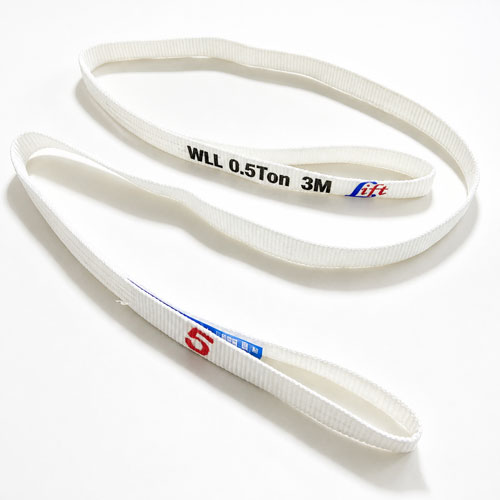
The two figures on the article, and where they sit on a white band. This is the last photograph on the page for a reason: it is the picture to look at when the order is being written, because the two numbers on the band are the two numbers the order has to produce, and on a pale band both of them are legible without being look ed for. A band that arrives with a figure the buyer did not ask for is a specification error that was made at the enquiry, not at the works.
11. The Four Phrases and Where Each Is Explained Properly
This page exists because four phrases have been joined together on it, and three of the four are already carried by pages of their own on this site. Rather than repeat those pages, this section is a map: what each of the four asks for, and which page answers it. A reader who has arrived here with one of the three specific questions should leave by the link, and a reader who has arrived with the fourth has found the page he wants.
| Page | The question it answers | Go there when |
|---|---|---|
| This page | The colour on a single-journey band: why white is asked for, what it removes, what it reveals and what it cannot mean. | The load is pale or finished, or the article is wanted for one trip only. |
| White polypropylene lifting belt | The white band as a range from one tonne to ten, and the industry-by-industry case for paying for white. | The colour is already decided and the question is which band in the white range. |
| White acid-resistant and alkali-resistant sling | A combined acid and alkali duty, including one crane serving a pickling line and a caustic wash. | The chemistry is the open question and the colour is secondary to it. |
| High strength polypropylene white flat sling | The white flat band built for crane duty, including the hook end and the double-buckle end. | The duty is an overhead crane and the finished end of the band is what needs deciding. |
| Acid-alkali flat double-ear lifting belt | The white band with a reinforced end at each end, its eye construction and the length trap that goes with it. | The article is to be hung from two ends rather than used as a loop. |
| Disposable circular sling and endless round sling | The ring form: the sleeved circular article and its single-journey version, which is the first phrase of this page's own name. | A ring rather than a flat band is what the load wants. |
| Single use lifting sling and one way sling | What the single-journey category means, what the label has to carry, and the capacity colours the system uses. | The question is the category or the marking rather than the colour as a load-protection measure. |
| Single use endless webbing sling | Holding a quantity of consumable bands: storing, counting, issuing and checking a delivery. | The question is the store rather than the load. |
| Polypropylene flat sling and nylon woven flat sling | The two fibres that carry a chemical duty, each written around its own chemistry. | The fibre is the open question. §5. |
| Disposable pre-slung cargo sling | Fitting the band at the packing point, so that the receiver never has to choose or rig one. | The receiver will have to lift the load without a rigger or a plan. |
12. Frequently Asked Questions
Q1: What is a white disposable lifting ring or white flat lifting sling?It is a single-journey lifting article whose band carries no colour that the maker added, made either as a flat woven band or as t
he sleeved ring form, and bought for one job rather than recovered at the end of it. The two names describe two constructions of the same idea, and the word white is the only property this page treats
as its own subject. A white band removes one class of defect from a lift — it has no dye to deposit on a pale or finished load — and it makes another easier to see, because soil, moisture damage and
mechanical damage are all legible on a pale surface. What white does not do is decide strength, chemical resistance or fitness for any particular environment, and sections 5 and 9 are about those boun
daries.
Q2: Does the acid and alkali resistance come from the white colour?No, and the phrase in the name is the reason this question has to be answered first. Resistance is a property of the yarn the band
is woven from and of the build it is woven in, and the colour of the band has no part in it. A white band of the wrong fibre is the wrong band for a pickled load, and a coloured band of the right fib
re is the right one; the colour line and the fibre line on an order are separate decisions. The two chemistries are treated at length on the acid and alkali resistant page, which is written around a c
ombined duty, and the fibre pages linked from section 5 carry each fibre's own case.
Q3: Why would a white band mark a load less than a coloured one?
Q4: Is white the same as undyed?
Q5: What does a white band show that a dark one hides?
Q6: Should a soiled white single-use band be cleaned and reused?
Q7: How should a quantity of white bands be stored?
Q8: What has to be on the order?
Q9: Does a white band mean the article is approved for food or for a clean room?
Q10: Which page should I be reading?
Contact
Lift Sling Rigging Co., Ltd weaves white flat woven slings and closes the sleeved ring form, in the fibre and the width the duty needs, with the working load limit and the length on the article. Fo r a white single-use specification, tell us the load and how it is picked, the figure and the length with its convention, the width, the fibre and the chemistry it will meet, and whether the pieces ar e to be used once — and we will confirm the colour, the fibre and the marking before anything is woven.
Telephone and WeChat: 18066002268
E-mail: 702461526@qq.com
Address: Lifute Industrial Park, Taizhou City, Jiangsu Province, China
HS code: 630790
- Previous:Export steel pipe sling, export steel pipe supporting lifting strap, export steel pipe special lifting rope
- Next:Disposable cargo sling, steel pipe sling, matching lifting r
-
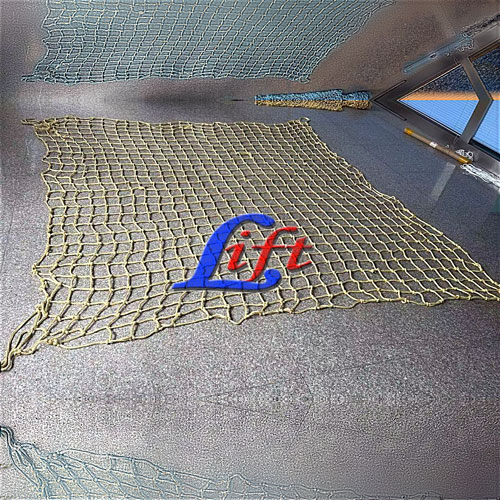
Drone Anti-collision Net
-
Extra Large Capacity Cargo Net
-
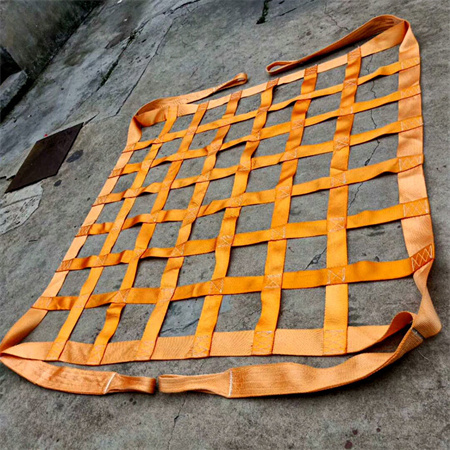
Cargo Webbing Net
-

Color changing nylon double buckle loop nylon braided rope
-

Two end buckle lifting rope, double buckle round lifting rope, double fork nylon lifting rope, non jointed nylon lifting rope
-

Emergency escape lifeline, fire escape rope, fire safety escape emergency rope, steel wire core fire rope

